
Quick Answer: Can Guinea Pigs Eat Courgette?
Yes — guinea pigs can eat courgette, and it’s one of the better everyday vegetables for them. Courgette (the British and French name for what Americans call zucchini — they are exactly the same vegetable) is low in sugar, high in water and a useful source of vitamin C, which guinea pigs can’t make for themselves. Its thin skin is edible and actually holds most of the antioxidants, so there’s no need to peel it — just wash it well. Feed about a cup (a small handful) of raw courgette, three to four times a week, sliced into pieces, alongside unlimited hay. Avoid any courgette that tastes bitter (a sign of a natural toxin), and never feed it cooked.
Courgette is gentle enough to be a near-daily veg, but like everything except hay it’s best rotated with other foods so your pig gets a balanced range of nutrients. Below is the full rundown — benefits, nutrition, risks, serving sizes and which parts are safe.
| Courgette (zucchini) | Detail |
|---|---|
| Safe to eat? | Yes, raw and fresh |
| How often | 3–4× a week (it’s low-sugar, so fairly often) |
| Serving size | About a cup / small handful per pig, sliced |
| Skin | Edible & nutritious — wash, don’t peel |
| Seeds | Soft seeds are fine; remove the bigger ones |
| Avoid | Cooked courgette, bitter-tasting pieces, large portions |
Table of Content
Is Courgette Good for Guinea Pigs? | Health Benefits
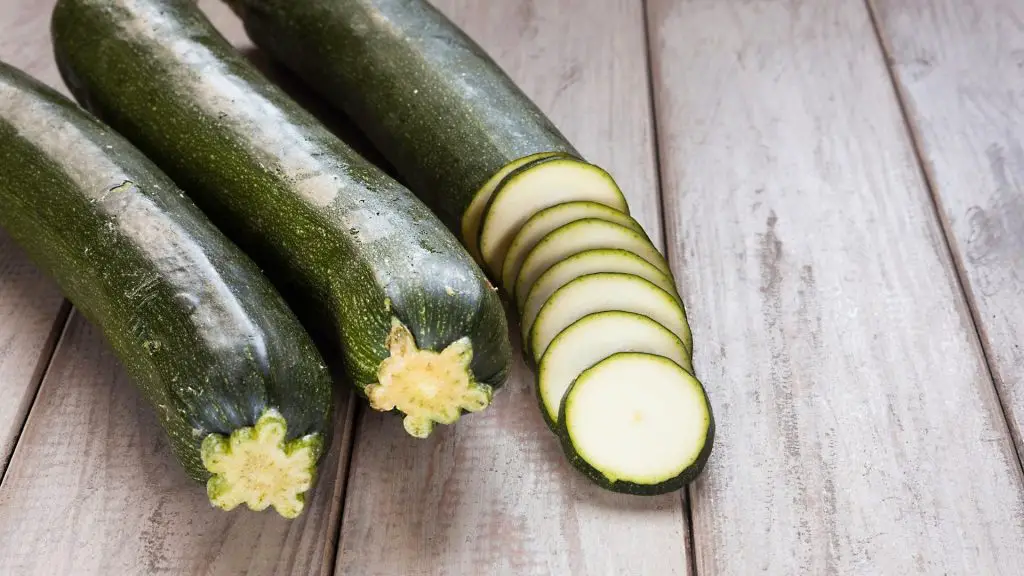
Courgette is a light, hydrating veg with several real benefits for guinea pigs:
- Vitamin C. Guinea pigs can’t produce or store vitamin C and develop scurvy without it (low energy, weight loss, poor appetite, slow healing, digestive problems). Courgette is a good source — about 18 mg per 100 g — that helps top up their daily needs.
- Lots of water, low sugar. Courgette is mostly water with low calorie and sugar content, so it helps keep pigs hydrated and feeling full without piling on weight — which is why it can be fed more often than sweeter veg.
- Fiber for digestion. It contains both soluble and insoluble fiber (concentrated in the skin), which support a healthy gut and steady digestion.
- Antioxidants for eyes & cells. Courgette provides beta-carotene, lutein and zeaxanthin — antioxidants that mop up free radicals and support eyesight. Most of these are in the skin, another reason to leave it on.
- Minerals. It’s a good source of potassium (in fact more than a banana, weight for weight), which supports heart health and blood pressure, plus magnesium and vitamin K for healthy bones.
Nutrition Facts of Courgette
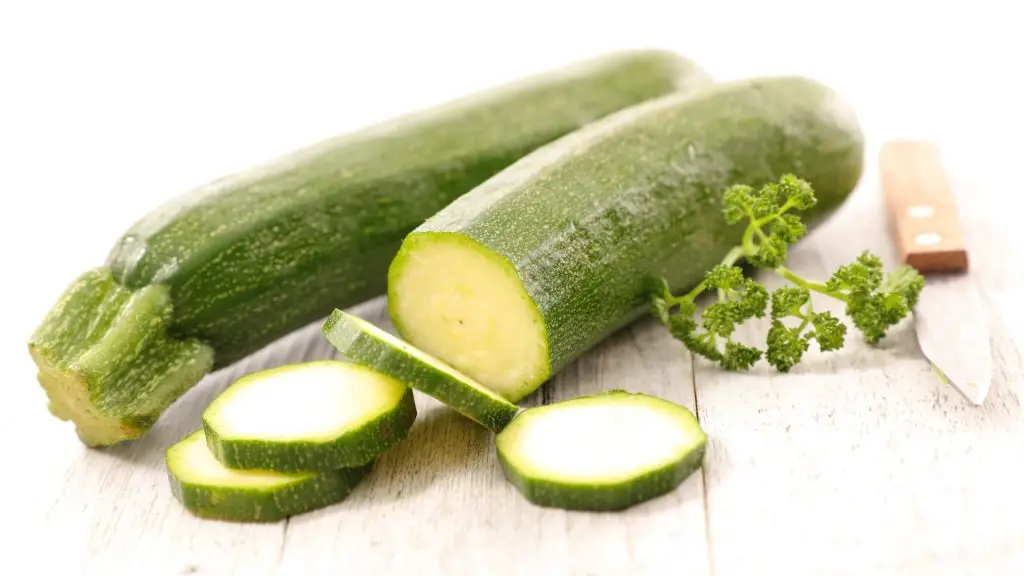
Here are the typical values for raw courgette (zucchini) per 100 g (about a cup):
- Energy – 17 kcal (very low)
- Carbohydrates – 3.1 g (sugars 2.5 g)
- Dietary fiber – 1 g
- Fat – 0.3 g · Protein – 1.2 g
- Vitamin C – ~18 mg (the key nutrient for guinea pigs)
- Vitamin B6 – 0.16 mg · Vitamin K – 4.3 µg · Folate – 24 µg
- Potassium – 261 mg · Magnesium – 18 mg · Phosphorus – 38 mg
- Calcium – 16 mg (low) · Iron – 0.4 mg
- Lutein + zeaxanthin – ~2,125 µg
The standout numbers here are the low sugar and low calcium. That combination is exactly what makes courgette an easy, frequent veg — it doesn’t carry the urinary-stone or digestive-upset risk that sweeter, higher-calcium foods do. For context, an adult guinea pig needs roughly 10–30 mg of vitamin C a day, so a 100 g serving of courgette is a meaningful contribution.
Is Courgette Bad for Guinea Pigs? | Possible Risks
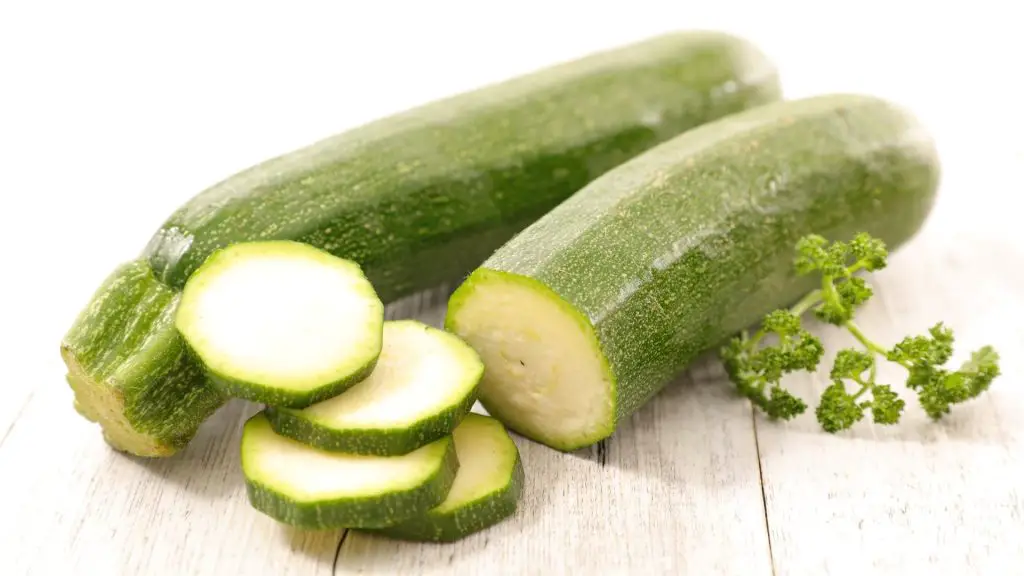
- Bitter courgette — the one real warning. Courgette can occasionally develop a natural toxin called cucurbitacin, which makes it taste very bitter. In high amounts it can cause vomiting and diarrhea and is toxic to both pigs and people. The rule is simple: if a piece tastes bitter to you, throw it out — only feed fresh, mild-tasting courgette.
- Too much causes tummy trouble. Guinea pigs don’t always know when to stop, and large amounts of courgette can lead to gas, loose stool, diarrhea and even vomiting. Keep portions to about a cup.
- Calcium (a minor concern). Courgette is low in calcium, but it’s not calcium-free, so it should still be part of a varied rotation rather than the only veg — excess calcium over time contributes to bladder stones.
- Possible sensitivity. A few guinea pigs are sensitive to courgette. If you notice anything unusual (diarrhea, refusing food) after feeding it, stop and offer plenty of water; see a vet if it doesn’t settle.
- Wash it, and slice it. Courgette is often sprayed with pesticides, so wash it well (or buy organic) and cut it into small pieces to avoid any choking risk.
- Never cooked. Guinea pigs only eat raw, fresh courgette — no cooked courgette and definitely no courgette/zucchini bread, which is a processed human food.
Serving Size & Frequency
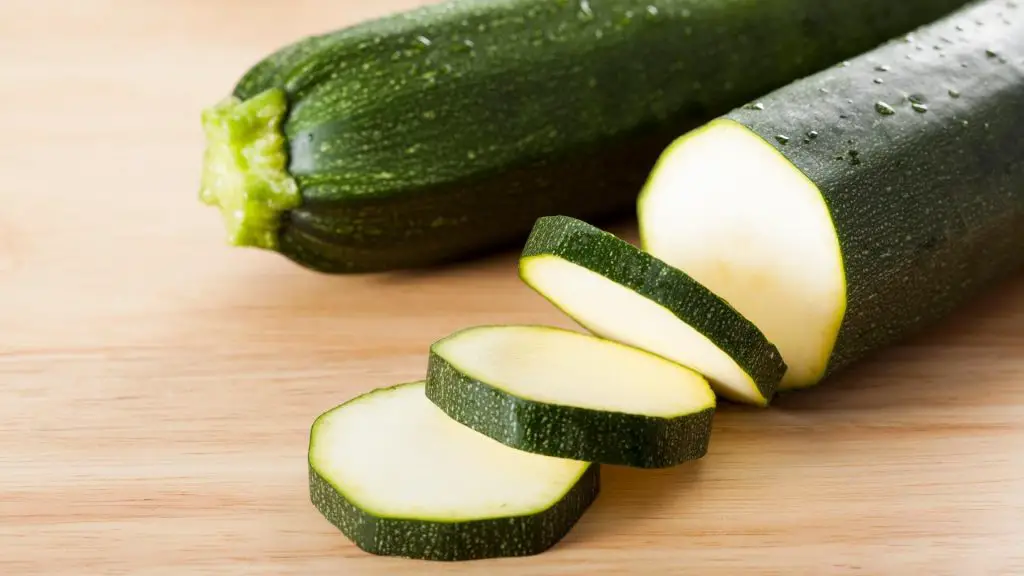
A good serving is about a cup, or a small handful, of sliced courgette per guinea pig. Because it’s low in sugar and calcium, courgette can be offered three to four times a week — more often than sweeter veg — but it’s still best to rotate it with other vegetables day to day so the diet stays varied. To prepare it: wash thoroughly, leave the skin on, slice into small pieces, and remove any large seeds. Always introduce a new food in a small amount first and watch the droppings for a day. And remember courgette is a supplement: unlimited grass hay should make up about 80% of the diet, with a small daily portion of pellets and roughly a cup of mixed fresh veg per pig per day.
Which Parts of the Courgette Can Guinea Pigs Eat?
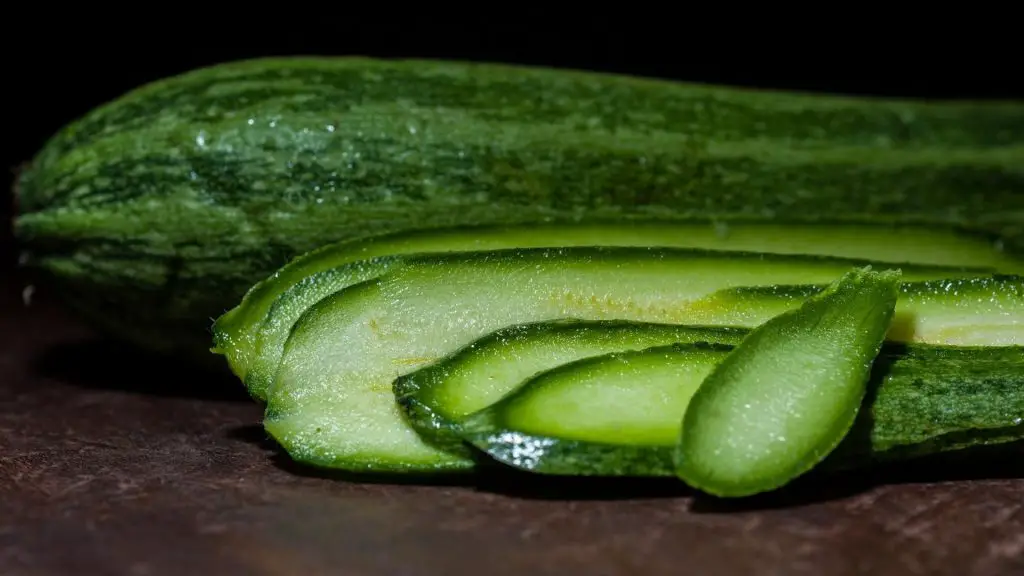
- Skin / peel: Yes — the thin skin is safe and holds most of the antioxidants and fiber, so leave it on (just wash it). If your pig nibbles around the skin and leaves it, peel it next time.
- Seeds: The soft seeds are fine, but it’s safest to remove the bigger ones when you slice it, to avoid any choking risk.
- Flowers: Courgette/zucchini flowers are edible and a nice occasional treat with vitamin C and beta-carotene. Wash them, offer only the petals, and feed fresh.
- Leaves: Young courgette leaves can be fed like any leafy green, but only in small amounts once or twice a week. Avoid older leaves, which can be bitter from cucurbitacin.
- Green vs yellow: Both are fine. Yellow courgette is a touch sweeter, so if you feed it, keep portions a little smaller or mix the two.
Related Guinea Pig Food Guides
Courgette is just one part of a varied veg menu. For the full picture, see our complete list of foods guinea pigs can and can’t eat (150+ types). You might also like:
- Can guinea pigs eat squash? — courgette is a summer squash; this guide covers butternut, acorn, pumpkin and more.
- Can guinea pigs eat cucumber? — another hydrating, low-calcium everyday favourite.
- Can guinea pigs eat carrots? — a sweeter veg to feed in moderation.
Frequently Asked Questions
Are courgette and zucchini the same thing?
Yes. Courgette and zucchini are exactly the same vegetable — “courgette” is the British and French name, and “zucchini” is the American and Italian name. Everything in this guide applies to both.
Can guinea pigs eat courgette every day?
Courgette is low in sugar and calcium, so it can be fed fairly often — about three to four times a week. It’s best not to feed the exact same veg every single day, though; rotating courgette with other vegetables keeps the diet balanced.
Can guinea pigs eat courgette skin and seeds?
Yes. The thin skin is safe and is the most nutritious part, so wash it and leave it on. The soft seeds are also fine, but remove any larger seeds before serving to avoid a choking risk.
Can guinea pigs eat cooked courgette?
No. Guinea pigs should only eat raw, fresh courgette. Cooking destroys vitamin C and can upset their digestion, and processed forms like courgette (zucchini) bread are not safe for them.
Quick Facts on Courgette
- Courgette and zucchini are the same vegetable — a summer squash in the gourd (Cucurbitaceae) family, alongside cucumbers, melons and pumpkin.
- Botanically it’s a fruit (a berry), since it develops from the courgette flower — though we eat and feed it as a vegetable.
- The word “zucchini” comes from the Italian zucca, meaning squash.
- Smaller, darker courgettes tend to have more flavour and more nutrients than large, pale ones.
- Both the green and yellow varieties are safe for guinea pigs.
We’ve also made a full list of foods that guinea pigs can and can’t eat (150+ Types of Foods). Be sure to also check our recommended products page for everything you’ll need to keep your guinea pigs happy and healthy. Hope this helped you find the answer you were looking for!
List of Sources
RSPCA — What To Feed a Guinea Pig
The Effects of Diet on Anatomy, Physiology and Health in the Guinea Pig