
Quick Answer: Can Guinea Pigs Eat Jalapeños?
No — guinea pigs should not eat jalapeños or other hot peppers. Chilli peppers contain capsaicin, the compound that makes them spicy, and it irritates a guinea pig’s sensitive digestive system, which can lead to mouth pain, bloating or diarrhoea. Sweet bell peppers are a completely different, safe choice — mild and packed with vitamin C — so reach for those instead.
Jalapenos are medium-sized chili peppers with smooth flesh that hangs down. These peppers are typically consumed green, but they are rarely left unpicked to ripen and turn red, yellow, or orange. It is popular for cooking a variety of meals, but it is not recommended to feed pets, particularly guinea pigs.
Guinea pigs cannot eat jalapenos. These peppers are too hot and strong for guinea pigs’ delicate stomachs. The guinea pig’s stomach may become upset, cramped, or painful.
Table of Content
Nutrition Facts of Jalapenos
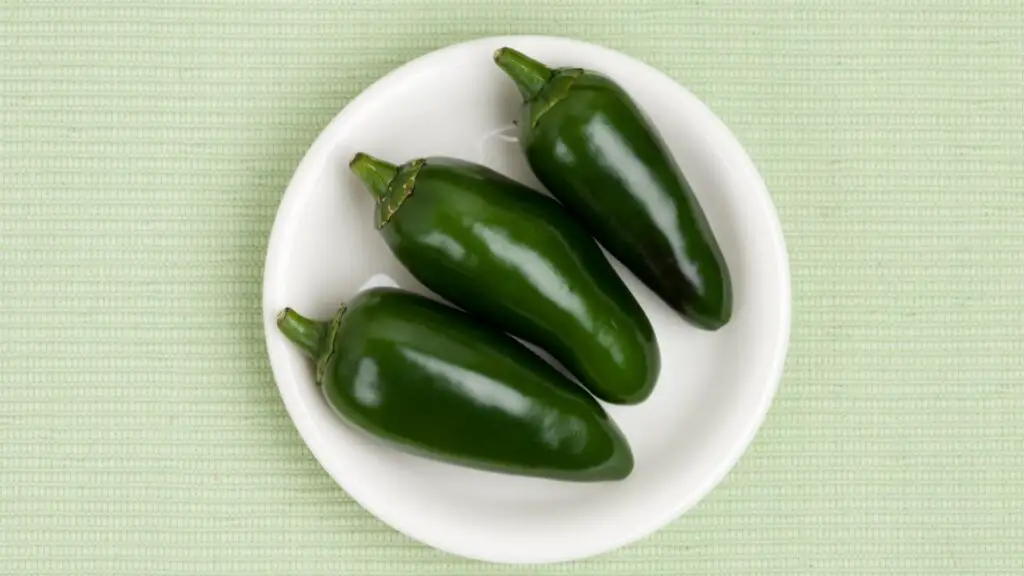
These are the nutrition facts for 100 g (3 oz) jalapenos:
- Low in calories – 30
- Carbs – 6.3 g
- Protein – 1.3 g
- Fiber – 2.8 g
- Sugars – 3.5 g
- Vitamin A – 16%
- Vitamin C – 74%
- Fat – 1%
- Vitamin E – 2%
- Vitamin K – 12%
- Thiamin – 10%
- Riboflavin – 3%
- Niacin – 6%
- Vitamin B6 – 25%
- Folate – 12%
- Pantothenic acid – 2%
- Calcium – 10 mg
- Iron – 4%
- Magnesium – 5%
- Phosphorus – 3%
- Potassium – 6%
- Zinc – 2%
- Copper – 7%
- Manganese – 13%
Can Jalapenos Be Bad for Guinea Pigs? | Possible Risks
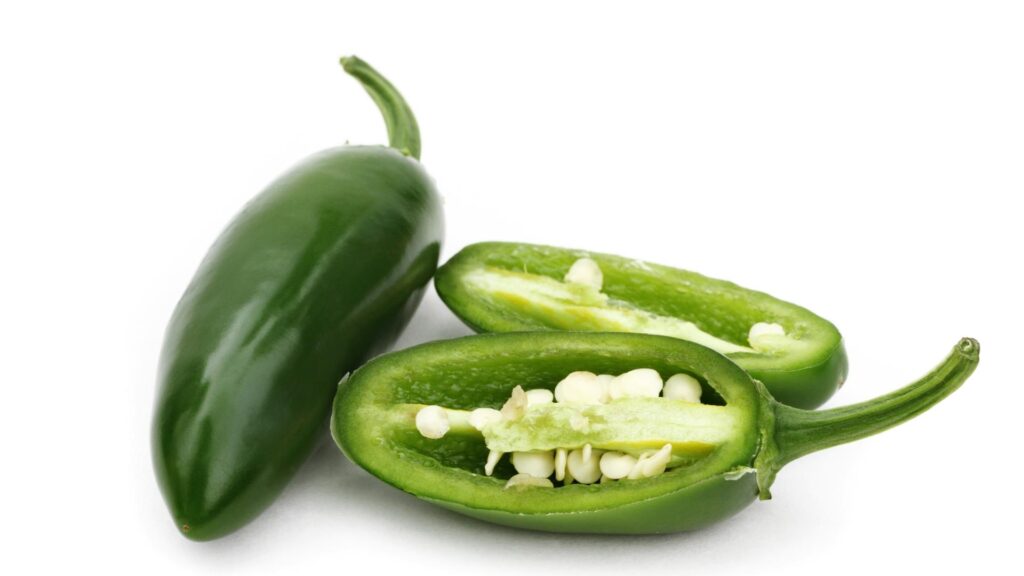
If the cavy tries the jalapenos, it would literally suffer from pain because of how hot and spicy it is. The stomach will be crampy, hurting, and bloated. The cavy might get diarrhea, or jump around the cage panicking. This definitely upsets the digestive system of such a small and fragile organism.
Jalapeno peppers also have calcium and phosphorus. These two minerals are good for creating strong bone tissues. However, they are not so much beneficial for grown guinea pigs. These nutrients will even damage the urinary health of cavies. When calcium and phosphorus deposit in the body of cavies, there is a risk of urinary stones, urinary infections, bloody urine, or painful urination.
Quick Facts on Jalapenos
- In Mexico, around 40.000 acres are reserved for jalapenos cultivation, near the Papaloapan river.
- Commercial chilies, including jalapenos, are mostly produced in China, Spain, Peru, and India.
- The Aztecs were the first ones to use jalapenos. They first dried them and smoked them instead of directly eating them.
- The pungency of jalapenos is mild to medium.
- Jalapenos have a shelf life of 5 weeks tops, and they are always stored at 45°F.
- Did you know that jalapenos traveled into space? These peppers were in the NASA shuttle!
- The jalapenos can be made into jello, pickled, smoked, stuffed, as decoration for drinks, stuffed with cheese, breaded and fried, into salsa and chili, and much more.
- Alfredo Hernandez ate 16 jalapenos in one minute and he is noted in the Guinness World Records.
- Patrick Bertoletti ate 275 pickled jalapenos in 8 minutes, another record!
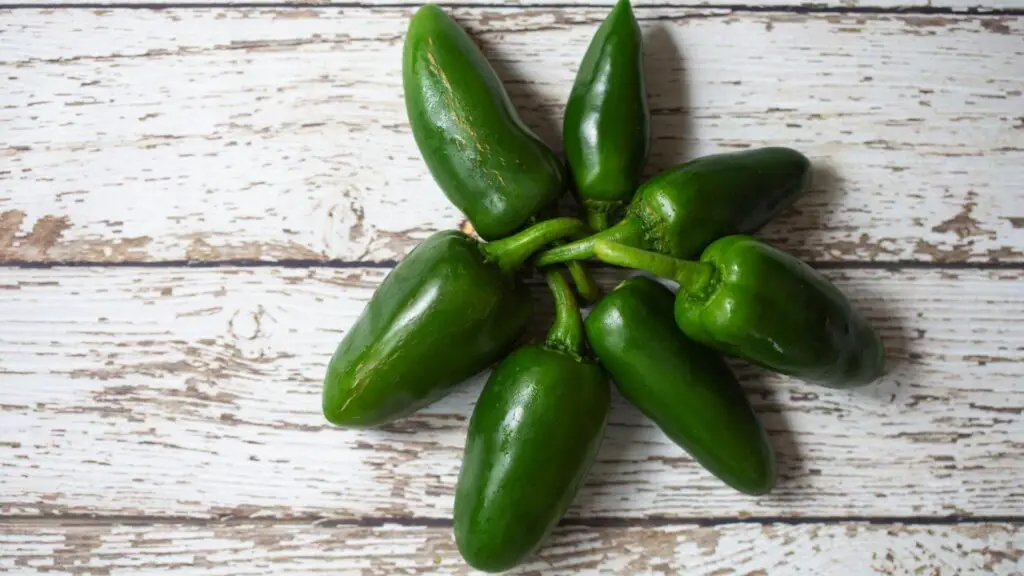
- Jalapenos can be dark green or red and bright red.
- Jalapenos are planted in the spring when the air and soil are warm.
- When handling jalapenos, you must always wear thin rubber gloves because these peppers can irritate the skin.
We have also made a full list of foods that guinea pigs can and can’t eat (150+ Types of Foods). Be sure to also check our recommended products page for everything you will ever need to assure a happy life for your guinea pigs. Hope this information was helpful and you have found the answer you were looking for.
List of Sources
Nutrient Requirements of Laboratory Animals: Fourth Revised Edition
The Effects of Diet on Anatomy, Physiology and Health in the Guinea Pig
Frequently Asked Questions
Why are jalapeños bad for guinea pigs?
Jalapeños and other chilli peppers contain capsaicin, the chemical that makes them hot. Guinea pigs have very sensitive stomachs and can’t handle it, so even a small amount can cause mouth and gut irritation, bloating or diarrhoea.
Can guinea pigs eat any kind of pepper?
Yes — sweet bell peppers (red, yellow, green or orange) are safe and genuinely good for guinea pigs, as they’re mild and high in vitamin C. It’s only the hot, spicy peppers like jalapeños, chillies and cayenne that must be avoided.
What happens if a guinea pig eats a jalapeño?
A small nibble is unlikely to be an emergency, but it can cause discomfort, drooling or an upset tummy. Remove any hot pepper, offer fresh water and hay, and contact an exotic-pet vet if your guinea pig seems unwell or stops eating.