
When you think of refreshing, vitamin-packed fruit, citrus comes straight to mind — oranges, tangerines, lemons and limes are all loaded with vitamin C, the one nutrient guinea pigs can’t make for themselves. That makes citrus tempting to share, but each fruit is a different story for a guinea pig: some are a genuinely useful occasional treat, while others are simply too acidic and sour to bother with. This guide covers the whole citrus family so you know exactly what’s safe and what to skip.
Table of Content
Quick Answer: Can Guinea Pigs Eat Oranges?
Yes — guinea pigs can eat oranges, and most love them. The flesh is rich in vitamin C, which guinea pigs need to prevent scurvy. But oranges are also acidic and sugary, so give only a slice or two, one to two times a week. The same goes for tangerines, mandarins, clementines and satsumas (peel and seeds removed). Orange peel is only worth offering in tiny amounts if it’s organic and well washed. Lemons and limes, however, are far too acidic and sour — most guinea pigs refuse them and they can irritate the mouth and stomach, so they’re best avoided.
In short: oranges and the sweeter mandarin types are an occasional vitamin-C treat, while lemons and limes are a “no thanks.” Here’s an at-a-glance table, followed by a full guide to feeding each citrus fruit safely.
Citrus Fruits for Guinea Pigs at a Glance
| Citrus | Safe? | Vitamin C | How often | Notes |
|---|---|---|---|---|
| Orange (flesh) | ✅ Yes, in moderation | High (~53 mg/100 g) | 1–2×/week, a slice or two | Acidic & sugary. Remove seeds; skip canned. |
| Tangerine / mandarin / clementine / satsuma | ✅ Yes, in moderation | High (~26–44% DV) | 1–2×/week, 1–2 wedges | Sweeter than orange, so even less. Peel & seeds off. |
| Orange peel | ⚠️ Only if organic & washed | Yes (~8 mg/tsp) | Sparingly, a small piece | Pesticide risk; rough & can irritate the mouth. |
| Lemon | ❌ Best avoided | Very high (~77 mg/100 g) | Rarely — a tiny taste at most | Very acidic (pH ~2.2) & sour; most pigs refuse it. |
| Lime | ❌ Best avoided | Moderate (~32% DV) | Rarely — a tiny taste at most | Very acidic & sour; pigs dislike it. Not recommended. |
The golden rule: there are far gentler vitamin-C sources than citrus (bell peppers, for example), so think of oranges and mandarins as a small, occasional treat — not a daily one — and treat lemons and limes as a curiosity at best.
Are Oranges Good for Guinea Pigs? | Health Benefits
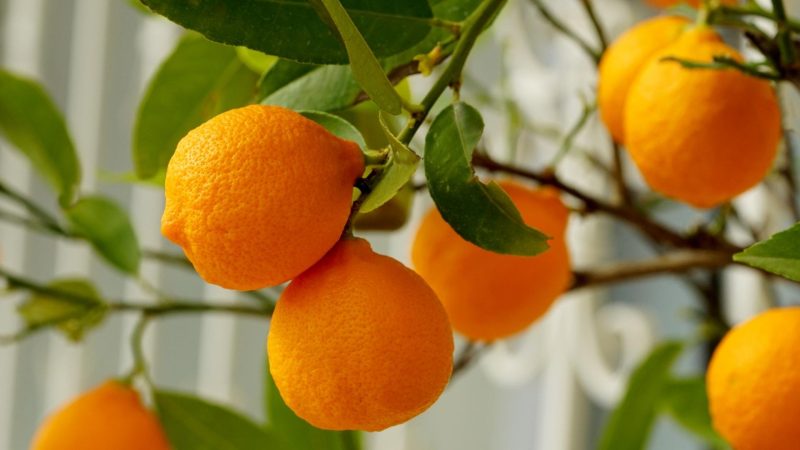
In the right small portion, oranges bring real benefits for guinea pigs:
- Vitamin C & scurvy prevention. This is the headline benefit. Guinea pigs can’t produce or store vitamin C, so without enough in their diet they develop scurvy — a serious disease that causes internal bleeding, rough fur, loss of appetite and fatigue. Oranges are a good source.
- Antioxidants & immunity. Vitamin A and other antioxidants help protect cells from free-radical damage and support a strong immune system, keeping the eyes, skin, heart and lungs healthy.
- Heart health. Oranges are low in fat with useful potassium and magnesium, which support healthy blood pressure, electrolyte balance and a strong heart muscle.
- Gentle on the waistline & good for digestion. An orange is fairly low in calories for a fruit, and its fiber supports healthy digestion — as long as the portion stays small.
Nutrition Facts of Oranges for Guinea Pigs
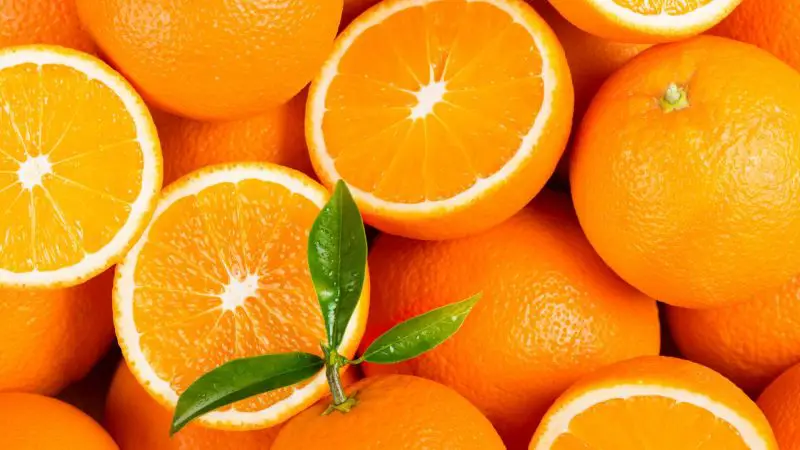
These are the nutrients per roughly 100 g of raw orange:
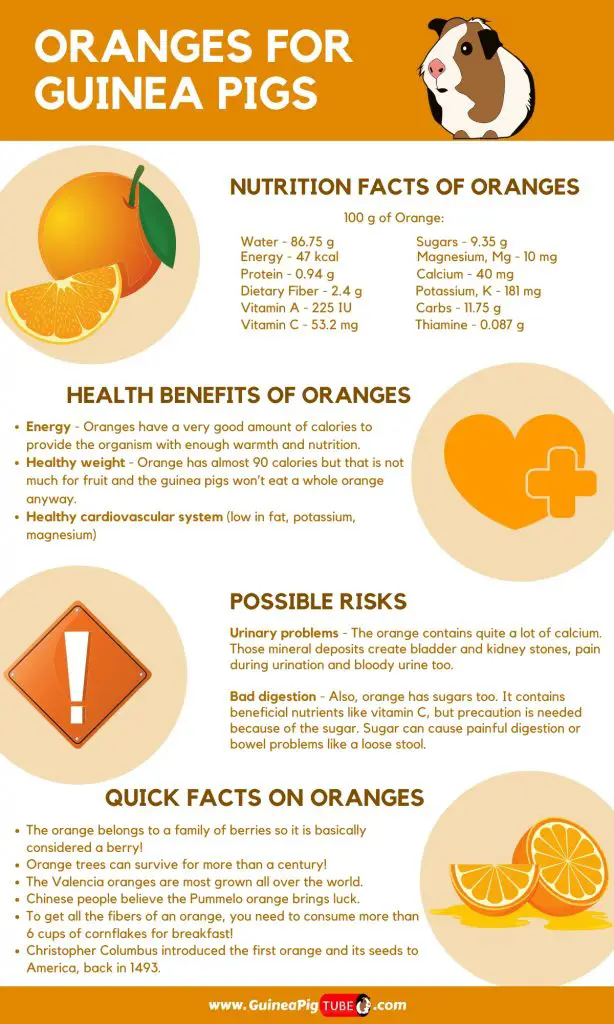
- Energy — 47 kcal
- Carbs — 11.8 g
- Protein — 0.94 g
- Total fat — 0.12 g
- Fiber — 2.4 g
- Sugars — 9.35 g
- Vitamin C — 53.2 mg
- Vitamin A — 11 µg
- Thiamine (B1) — 0.087 mg
- Calcium — 40 mg
- Potassium — 181 mg
- Magnesium — 10 mg
The standout figure is the vitamin C — more than enough to be useful against scurvy. The two numbers to keep in mind, though, are the sugar (9.35 g) and the calcium (40 mg). Both are fine in a tiny portion but become a problem in larger amounts, which is exactly why oranges are an occasional treat rather than a staple. (As an aside, a common myth is that oranges have more vitamin C than lemons — they don’t; lemons actually carry a little more per 100 g. It’s the acidity, not the vitamin C, that makes lemons unsuitable.)
Are Oranges Bad for Guinea Pigs? | Possible Risks
Oranges aren’t bad in themselves, but too much — or too often — causes problems:
- Acidity → mouth & lip sores. Citrus is acidic, and overfeeding can leave guinea pigs with sore, irritated lips and mouth. If you notice this, stop the oranges for a while and offer smaller amounts when you reintroduce them.
- Too much sugar → digestive upset. Guinea pigs can’t process much sugar. Overdoing oranges leads to a loose stool, gas, bloating and belly pain. They also don’t self-regulate — fruit is only a supplement to hay.
- Excess calcium → urinary problems. Adult guinea pigs don’t need much calcium. Over time, too much can contribute to bladder and kidney stones, painful urination and blood in the urine.
- Choking on seeds. Orange pips are a choking hazard — always remove them before serving.
Serving Size & Frequency of Oranges for Guinea Pigs
How much: a slice or two, or one thick wedge, is plenty for one guinea pig — never a whole orange. How often: because of the sugar and calcium, limit oranges to once or twice a week, rotated with other fresh veg. Remember the diet basics: unlimited grass hay should make up about 80% of what your pig eats, with fresh veg and a little pellet alongside — oranges are just an occasional extra on top.
How to Prepare Oranges for Your Guinea Pig
A simple, safe routine:
- Choose a ripe orange. Unripe fruit is even more acidic; rotten fruit is out of the question.
- Wash it well. As with any fresh food, rinse off dirt and pesticide residue first.
- Peel it. Feed the flesh, not the skin (see the orange-peel section below).
- Remove all seeds. Pips are a choking hazard.
- Slice into small pieces so it’s easy to eat, and remove any leftovers from the cage afterwards to keep things clean and hygienic.
Can Guinea Pigs Eat Tangerines, Mandarins, Clementines & Satsumas?
Yes — guinea pigs can eat tangerines and the whole mandarin family (mandarins, clementines and satsumas) in moderation. These are all small, easy-peel citrus fruits closely related to the orange, with a similar nutritional profile: rich in vitamin C and vitamin A, low in fat, but noticeably sweeter than a regular orange. That extra sweetness is the catch — per 100 g a tangerine carries around 10.6 g of sugar (more than an orange), so if anything you should serve a touch less, and stick to one or two wedges, once or twice a week.
A few useful distinctions within the group:
- Tangerines are essentially a smaller, sweeter, more aromatic orange. Compared with a regular orange they have more vitamin A but a little less vitamin C and more calories — so the same “one or two wedges” rule applies.
- Mandarins are the parent type; they too have more vitamin A but less vitamin C than oranges. Preparation is identical.
- Clementines are less acidic but higher in sugar — so they’re tasty but need the same careful, small portions.
- Satsumas are a Japanese mandarin variety that is very juicy, easy to peel and usually seedless, which makes them a convenient and safe choice.
Always remove the peel and any seeds before serving any of these, and offer just a wedge or two. Most guinea pigs go a little wild for the sweet, fragrant flesh — which is all the more reason to keep portions small and the frequency low.
Can Guinea Pigs Eat Orange Peel?
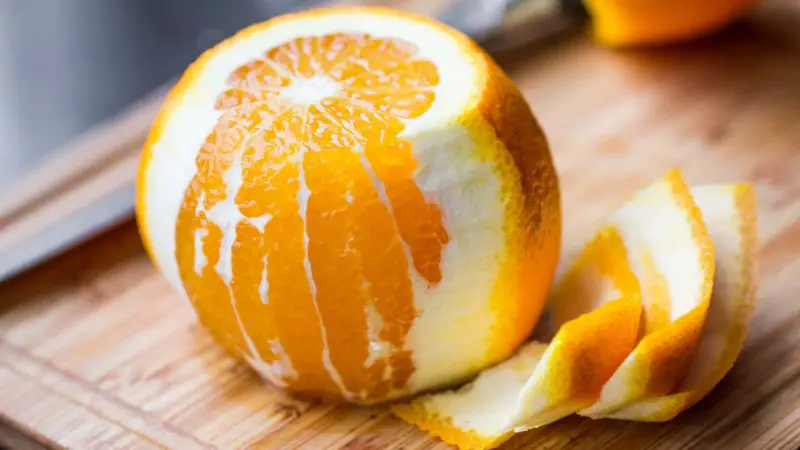
Orange peel is not toxic, and it’s surprisingly nutritious — but it’s only worth offering in tiny amounts, and only if the orange is organic and very well washed. The peel actually contains vitamin C (around 8 mg in a single teaspoon), fiber, and beneficial plant compounds like flavonoids (hesperidin), limonene and other antioxidants. Many owners report their pigs grab a bit of peel and munch it happily.
So why the caution? Two reasons:
- Pesticide residue. The skin is where chemical sprays concentrate. Non-organic peel can carry pesticide and wax residue that may cause nausea, stomach upset or respiratory irritation. Only ever offer peel from an organic orange that has been thoroughly scrubbed and rinsed.
- It’s rough and a little acidic. Peel is tougher than the flesh and can irritate the mouth, and it still contains calcium — so keep it to a small piece and don’t make it a habit. Offering it alongside other veg helps soften the acidic impact on the stomach.
Bottom line: a small piece of well-washed organic peel now and then is fine, but the flesh is the better, safer part to focus on. If you can’t be sure the orange is pesticide-free, skip the peel entirely.
⚠️ Can Guinea Pigs Eat Lemons? (Best Avoided)
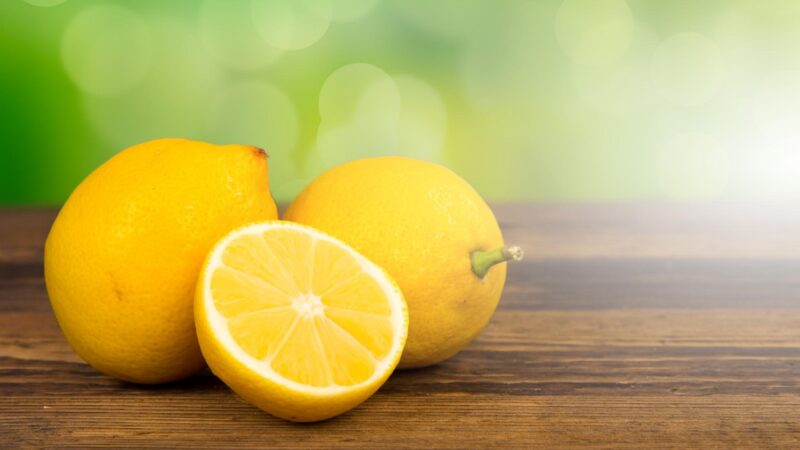
Lemons are best avoided. They’re not poisonous, and they’re certainly rich in vitamin C (about 77 mg per 100 g, even more than an orange) — but that doesn’t make them a good treat. A lemon’s vitamin C comes wrapped in extreme acidity: lemon juice has a pH of around 2.2, which is very harsh on a guinea pig’s sensitive digestive system. In practice most guinea pigs strongly dislike the sour taste and won’t eat lemon anyway, and pushing it can cause mouth irritation, an upset stomach, bloating and loose stool.
If your pig happens to nibble a tiny piece out of curiosity, there’s no need to panic — a single small taste won’t harm it. But there’s no good reason to make lemon part of the diet when gentler vitamin-C foods exist. A few specifics:
- Lemonade — no. The high acid and added sugar are bad for guinea pigs. Plain water is the only drink they need.
- Lemon juice — no. Too acidic for their weak stomachs; not recommended.
- Lemon peel — no. Still acidic and best left off the menu — at most a tiny scrap no more than once a month, and even that isn’t necessary.
- Lemon leaves — avoid. Not toxic, but they cause bloating and gas, so there’s no benefit to feeding them.
- Lemon balm — this one’s fine. Despite the name, lemon balm is a soothing herb (not citrus) and guinea pigs can safely enjoy small amounts of it.
If you’re chasing vitamin C, far better choices include bell peppers, plus fruit like strawberries, apple, pear, blueberries and melon — all gentler than a sour lemon.
⚠️ Can Guinea Pigs Eat Limes? (Not Recommended)
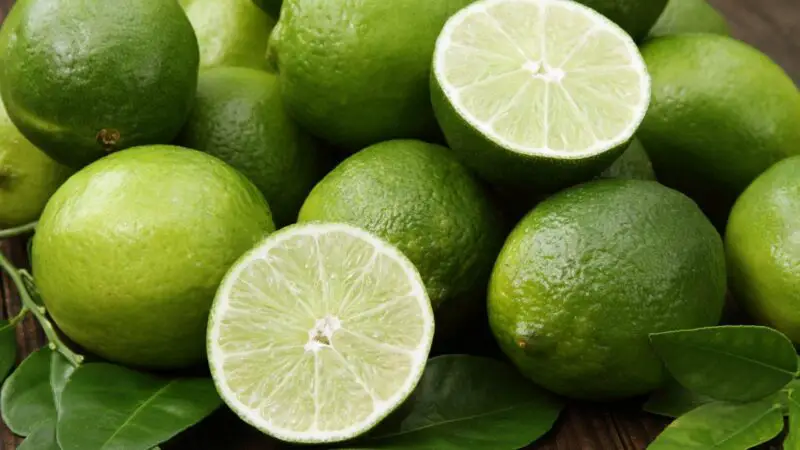
Like lemons, limes are best avoided. A lime is essentially a green lemon — just as acidic and sour, with the added downside of calcium (about 22 mg in a single lime) on top of its acidity. It does contain vitamin C and a little potassium, but the negatives outweigh the positives. The intense, sour taste means most guinea pigs won’t touch a lime, and if they do eat much, the acid upsets the stomach and the calcium adds to the risk of bladder and kidney stones over time.
There’s no harm in letting a curious pig have a single tiny taste — it almost certainly won’t like it — but limes shouldn’t be a regular food. If a guinea pig does manage more than a nibble, the likely result is an upset stomach; make sure it has plenty of fresh hay and clean water to settle things, and watch for signs of distress. As with lemons, reach for a milder vitamin-C food instead.
More Orange Questions
Can Guinea Pigs Have Orange Juice?
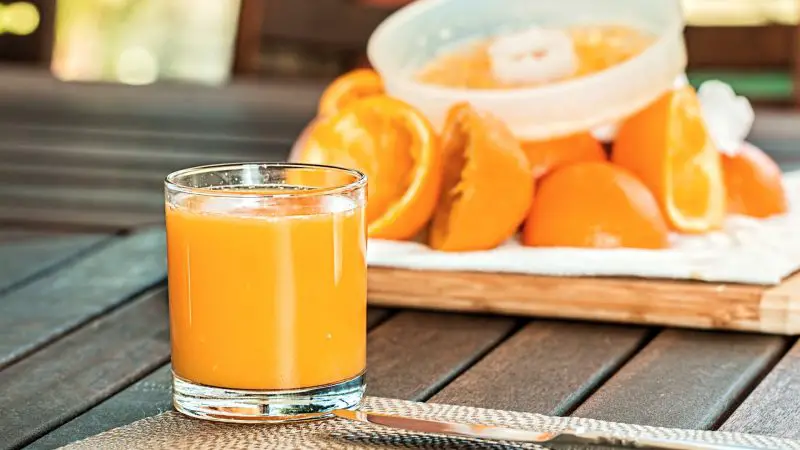
Only rarely, and never shop-bought. Store orange juice is far too sugary and often has additives. If you want to offer a little, squeeze fresh orange juice, dilute it 50:50 with fresh water, add nothing else, and give it only occasionally. Plain fresh water should always be their main drink. Related: Can guinea pigs drink juice?
Can Guinea Pigs Eat Canned Oranges?
No. Canned oranges come in sugary syrup and contain added sugar, sodium and preservatives, all of which upset a guinea pig’s stomach. Avoid canned fruit and vegetables entirely — only fresh, raw fruit is suitable.
Can Guinea Pigs Eat Orange Seeds?
No — orange seeds (pips) are a choking hazard. Always remove every seed before feeding any orange or mandarin to your guinea pig.
Can Guinea Pigs Eat Blood Oranges?
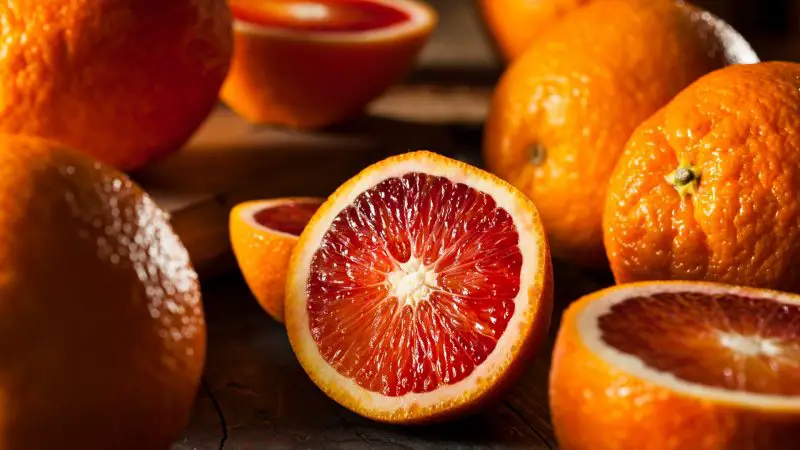
Yes — guinea pigs can eat blood oranges, and some prefer them for their distinctive, slightly raspberry-like taste. They follow the same rules as any orange: one or two slices, once or twice a week, seeds removed. Rotating between different orange types is a nice way to add variety to your pig’s diet.
Related Guinea Pig Food Guides
Citrus is just one corner of a varied diet. For the full picture, see our complete list of foods guinea pigs can and can’t eat (150+ types). You might also like these popular fresh-food guides:
- Can guinea pigs eat fruit? — how to handle sweet, sugary treats.
- Can guinea pigs eat strawberries? — a gentler vitamin-C berry.
- Can guinea pigs eat peppers? — one of the best low-acid vitamin-C foods.
- The best guinea pig treats — healthy treat ideas they’ll love.
Frequently Asked Questions
Can guinea pigs eat oranges every day?
No. Oranges are acidic and sugary, so limit them to a slice or two, once or twice a week. Too much can cause mouth sores, an upset stomach and, over time, urinary problems from the calcium. Hay and a varied veg bowl come first.
Can guinea pigs eat lemons or limes?
It’s best not to. Lemons and limes aren’t toxic, but they’re extremely acidic and sour — most guinea pigs refuse them, and they can irritate the mouth and stomach. A single tiny taste won’t hurt, but they shouldn’t be a regular food. Choose a milder vitamin-C source like peppers or strawberries instead.
Is orange peel safe for guinea pigs?
Only in small amounts, and only if the orange is organic and thoroughly washed. The peel contains vitamin C and antioxidants but also concentrates pesticide residue, and it’s rough enough to irritate the mouth. The flesh is the safer part to focus on; skip the peel if you can’t be sure it’s pesticide-free.
Can guinea pigs eat tangerines, clementines or satsumas?
Yes, in moderation. These mandarin-family fruits are safe but sweeter than oranges, so feed even less — one or two wedges, once or twice a week, with the peel and seeds removed.
How much orange can a guinea pig have?
A slice or two, or one thick wedge, per guinea pig — never a whole orange. Remove all seeds, peel it, and offer it no more than once or twice a week as an occasional treat alongside their hay and veg.
Quick Facts on Oranges & Citrus
- Botanically, an orange is a type of berry — specifically a “hesperidium.”
- The orange is actually a hybrid between a mandarin and a pomelo.
- Oranges were brought to the Mediterranean by Arab traders around the 10th century, and Christopher Columbus carried orange seeds to the Americas in 1493.
- The name “orange” comes from the Sanskrit naranga; the fruit was named before the colour, not the other way round.
- Lemon juice has a pH of about 2.2, which is why it tastes (and feels) so sharp — and why it doesn’t suit guinea pigs.
- 18th-century British sailors ate citrus to ward off scurvy — the same vitamin-C deficiency disease guinea pigs are prone to.
We’ve also made a full list of foods that guinea pigs can and can’t eat (150+ Types of Foods). Be sure to also check our recommended products page for everything you’ll need to keep your guinea pigs happy and healthy. Hope this helped you find the answer you were looking for!
Related Guinea Pig Guides
List of Sources
RSPCA — What To Feed a Guinea Pig
USDA FoodData Central — Oranges, Raw
Minimum Doses of Fresh Citrus Fruit Juices Which Will Protect a Guinea-Pig From Scurvy
Vitamin C Requirements of the Guinea-Pig
Calcium, Sodium and Crystal Formation in the Kidneys of Guinea Pigs