
Often assumed to be a vegetable, the tomato is actually a fruit that belongs to the nightshade family and originally came from South America. We eat it all over the world in salads and cooked meals — but what about our guinea pigs? Tomatoes are a classic case where part of the plant is a healthy treat and part of it is genuinely dangerous, so it’s worth getting the details right before you share one.
Table of Content
Quick Answer: Can Guinea Pigs Eat Tomatoes?
Yes — guinea pigs can eat the ripe flesh of a tomato in small amounts, and most pigs love it. Ripe red, grape, cherry, yellow and Roma/plum tomatoes (flesh, skin and the soft seeds) are all safe in moderation — about a slice of a regular tomato, or one or two cherry/grape tomatoes, two times a week. But tomatoes are acidic and sugary, so too much causes mouth sores and stomach upset. The green parts are the danger: tomato leaves, stems, vines and unripe green tomatoes contain solanine and tomatine and are toxic — never feed them.
In other words, a tomato is two different things to a guinea pig at once: the ripe fruit is a vitamin-C-rich occasional treat, while the foliage and any unripe fruit are poisonous. Below is an at-a-glance table of which parts and types are safe, followed by a full guide to feeding tomatoes safely.
Tomatoes for Guinea Pigs at a Glance: Safe Parts vs Toxic Parts
| Part / type | Safe? | Notes |
|---|---|---|
| Ripe red tomato (flesh + skin) | ✅ Yes, in moderation | A slice or so, 2×/week. Acidic and sugary, so keep portions small. |
| Grape & cherry tomatoes | ✅ Yes, in moderation | Small and sweet; 1–2 whole, no need to slice. Soft seeds and skin are fine. |
| Yellow & Roma/plum tomatoes | ✅ Yes, in moderation | Same rules as red — ripe, raw, small amounts. Yellow is often sweeter. |
| Tomato skin & soft seeds | ✅ Yes | Both fine on a ripe tomato. Wash well to remove pesticides. |
| Unripe GREEN tomatoes | ❌ Never | High in solanine — toxic. (Naturally ripe “green” varieties are different; see below.) |
| Tomato leaves, stems, vines & tops | ❌ Never — toxic | Contain solanine & tomatine plus excess calcium. Remove before serving. |
| Canned tomatoes & tomato sauce | ❌ No | Cooked/processed with salt, sugar and additives — not for guinea pigs. |
Are Tomatoes Good for Guinea Pigs? | Health Benefits
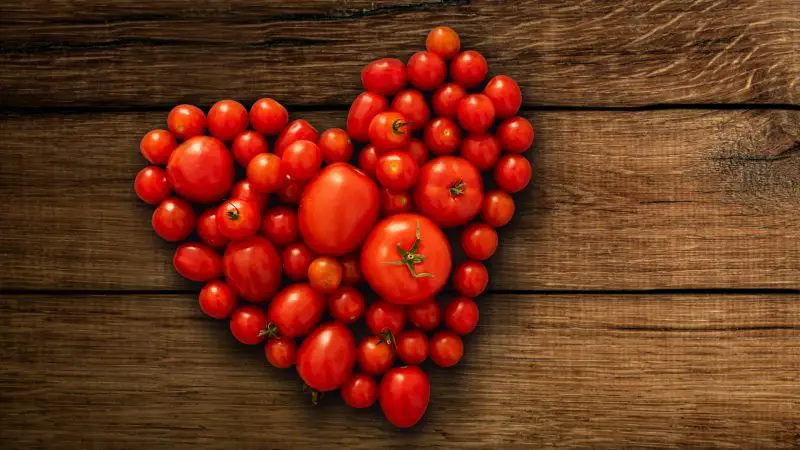
When fed in the right small amount, ripe tomatoes bring a number of real benefits for guinea pigs:
- Vitamin C & scurvy prevention. Tomatoes contain vitamin C, which guinea pigs can’t make or store for themselves. Without enough they develop scurvy, a serious disease, so every vitamin-C source helps. Vitamin C also improves iron absorption.
- Antioxidants & immunity. Tomatoes are rich in antioxidants such as lycopene and beta-carotene, which help mop up free radicals (a cause of cell damage) and support a strong immune system.
- Heart health. Lycopene, beta-carotene and potassium are linked to a reduced risk of heart-related problems and help keep blood pressure in check.
- Strong bones & teeth. Vitamin K supports bone formation and healthy teeth.
- Gentle on the waistline. Tomatoes are very low in calories and fat, with a little fiber to aid digestion — a light treat in the right portion.
Nutrition Facts of Tomatoes for Guinea Pigs
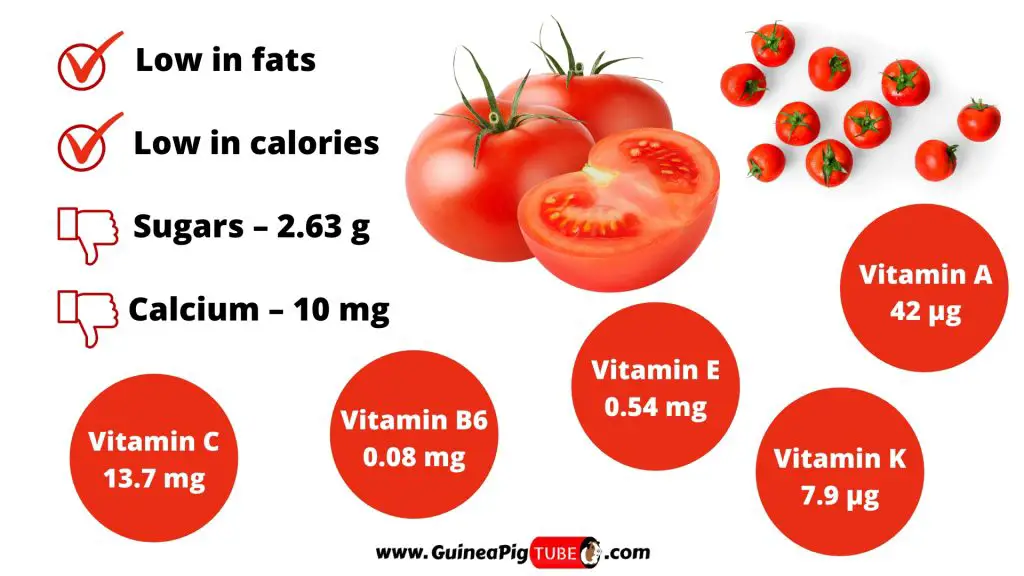
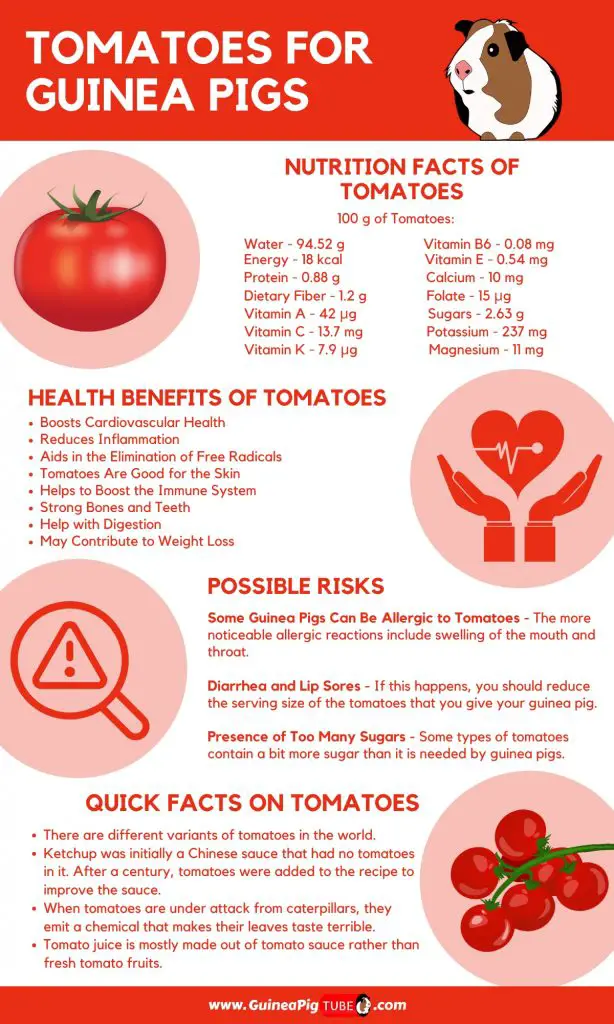
These are the nutritional facts for 100 g of ripe red tomato:
- Energy – 18 kcal
- Protein – 0.88 g
- Total lipid (fat) – 0.2 g
- Carbs – 3.89 g
- Fiber – 1.2 g
- Sugars – 2.63 g
- Calcium – 10 mg
- Iron – 0.27 mg
- Magnesium – 11 mg
- Phosphorus – 24 mg
- Potassium – 237 mg
- Sodium – 5 mg
- Zinc – 0.17 mg
- Copper – 0.059 mg
- Vitamin C – 13.7 mg
- Vitamin B-6 – 0.08 mg
- Vitamin A – 42 µg
- Vitamin E – 0.54 mg
- Vitamin K – 7.9 µg
- Thiamin – 0.037 mg
- Riboflavin – 0.019 mg
- Niacin – 0.594 mg
- Folate – 15 µg
- Carotene, beta – 449 µg
- Carotene, alpha – 101 µg
- Lycopene – 2573 µg
- Lutein + zeaxanthin – 123 µg
Tomatoes are low in calories with a good ratio of protein, carbs and fiber, plus useful vitamin C, vitamin K (blood clotting and bone growth), folate and potassium. The powerful antioxidants lycopene and beta-carotene round out the picture. The catch is the sugar and acidity — modest by human standards, but enough that a guinea pig should only have a little at a time.
Ripe Red Tomatoes
Ripe red tomatoes are the classic safe choice — in moderation. Feed only the ripe flesh and skin, raw and washed, chopped into a small piece. They’re sweet, juicy and rich in vitamin C and antioxidants, but they’re also acidic and contain natural sugar, so a slice or so two times a week is plenty. Always pick a fully ripe red tomato; the deeper the red, the lower the solanine. Roma (plum) tomatoes are simply small, oval red tomatoes — guinea pigs can eat Roma/plum tomatoes under exactly the same rules.
Grape & Cherry Tomatoes

Guinea pigs can eat grape tomatoes and cherry tomatoes, and they’re a convenient bite-sized treat. Cherry tomatoes are round and a little sweeter; grape tomatoes are smaller, more oval and slightly less sweet (a cross between Roma, tear-drop and cherry types). Because they’re already small, you don’t need to slice them — just offer one or two whole, and the soft seeds and thin skin are perfectly fine to eat.
Nutritionally, grape and cherry tomatoes are little vitamin-C packages. Per 100 g (about 13 grape tomatoes) you get roughly 27 calories, 0 g fat, 247 mg potassium, 2 g fiber, 3 g sugar, and around 43% of an adult human’s daily vitamin C, plus vitamin A and a little iron for healthy blood — and only a minimal amount of calcium, which is good news for guinea pigs. The same two cautions apply as for any tomato: there’s natural sugar (so don’t overdo it), and the stems and leaves are toxic — only the flesh, seeds and skin are safe. A good serving is 2–3 small grape tomatoes (or a quarter of a normal tomato), and because they’re mild you can offer them a little more freely than a large sugary tomato — just keep an eye on the total fruit your pig gets across the week.
⚠️ Never Feed: Leaves, Stems, Vines & Green Tomatoes (Toxic)
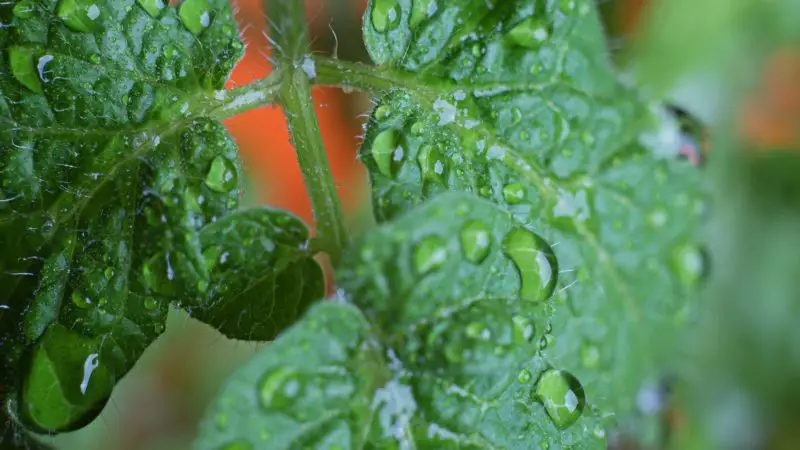
This is the most important part of the whole guide. The tomato plant belongs to the nightshade family, and its green parts are toxic to guinea pigs. Interestingly, humans can cook and eat small amounts of tomato leaves with no problem — but what’s fine for us is genuinely dangerous for a guinea pig’s tiny, sensitive digestive system. Keep all of the following well out of reach:
- Tomato leaves — never. They contain high levels of glycoalkaloids (tomatine and solanine) that are toxic to guinea pigs.
- Stems, stalks, vines & the green “tops” — never. Same toxins as the leaves; remove the little green stem cap before serving any tomato. See our source on tomato alkaloids.
- Unripe GREEN tomatoes — never. An unripe tomato is loaded with solanine, which drops sharply as the fruit ripens and turns red. Humans only eat green tomatoes after cooking (fried green tomatoes), and since guinea pigs can’t have cooked food, unripe green tomatoes are off the menu entirely.
Why it’s so dangerous: the alkaloids tomatine and solanine cause nausea, stomach cramps, bloating, loose stool, weakness and lethargy. This is especially serious because guinea pigs physically cannot vomit, so they can’t expel something toxic the way other animals do. On top of that, tomato leaves are high in calcium and phosphorus; over time excess of these minerals can lead to bladder or kidney stones, painful urination, blood in the urine and urinary infections. If your guinea pig does get hold of any leaves, stems or a green tomato and shows these signs, contact your vet right away.
One safe exception worth knowing: a few tomato varieties stay green even when fully ripe (rather than turning red). Those ripe green tomatoes have roughly the same nutrients and low solanine as a ripe red one and can be fed in small amounts — but only if you’re certain the fruit is ripe, not simply an unripe red variety. If in any doubt, stick to clearly ripe red, grape, cherry or yellow tomatoes.
Other Tomato Types & Parts
Can Guinea Pigs Eat Yellow Tomatoes?
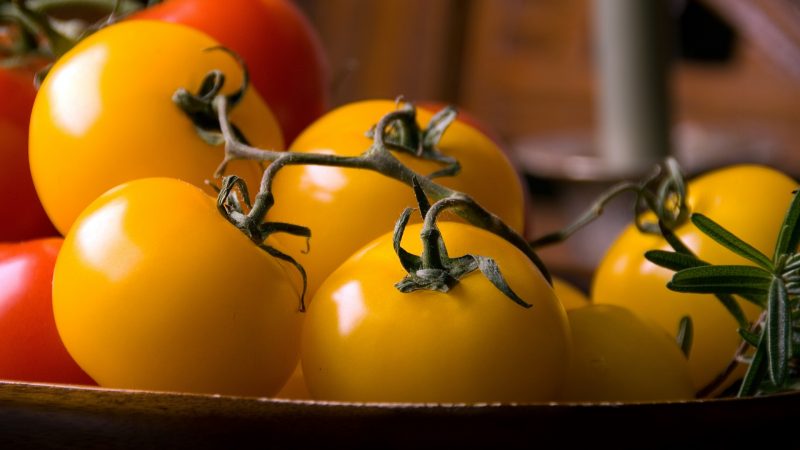
Guinea pigs can eat ripe yellow tomatoes, and many pigs find them especially tasty because yellow tomatoes are usually a little sweeter than red ones. They carry the same beneficial nutrients — vitamin A, vitamin C, potassium and antioxidants — so feed them ripe, raw and in the same small, occasional portions.
Can Guinea Pigs Eat Tomato Seeds & Skin?
Yes to both, on a ripe tomato. Tomato seeds are small and soft, so unlike larger seeds they aren’t a choking hazard — your pig can eat them along with the flesh. The skin is thin and safe too, and actually holds extra fiber and nutrients. The only thing to watch with the skin is pesticide residue, so wash tomatoes thoroughly (or choose organic) before serving.
Can Guinea Pigs Have Canned Tomatoes or Tomato Sauce?
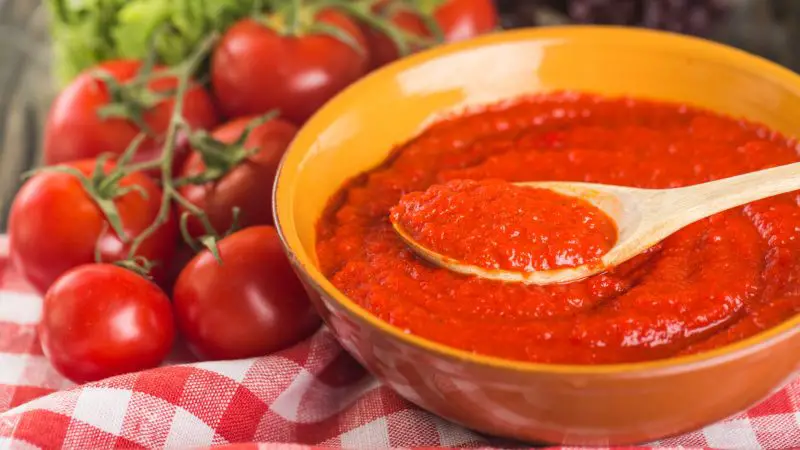
No — guinea pigs can’t eat canned tomatoes, tomato sauce, ketchup, sun-dried tomatoes or any cooked or processed tomato. Guinea pigs are herbivores with delicate digestive systems built for fresh, raw plants and hay. Processed tomato products add salt, sugar and other additives and lose their vitamin C to cooking, none of which suits a guinea pig. Stick to fresh, washed, ripe tomatoes only.
Are Tomatoes Bad for Guinea Pigs? | Possible Risks

Even with safe ripe tomatoes, moderation matters. The main risks of overfeeding are:
- Acidity → mouth & lip sores. Tomatoes are acidic, and too much can cause sore, irritated lips and mouth in guinea pigs. If you spot this, cut tomatoes out for a while and reduce the portion when you reintroduce them.
- Too much sugar → digestive upset. Some tomatoes carry more sugar than a guinea pig needs. Overfeeding can lead to diarrhea, gas and bloating, so offer tomatoes only once or twice a week. Guinea pigs don’t self-regulate their food — fruit and veg are only supplements to hay.
- Allergic reactions. Rarely, a guinea pig can react to tomatoes, with swelling of the mouth or throat. If you see this, stop feeding, offer fresh water, and see a vet if it worsens.
- Toxic green parts. By far the biggest risk — leaves, stems, vines and unripe green tomatoes (covered in detail above).
Serving Size & Frequency of Tomatoes for Guinea Pigs

How much: for a regular tomato, no more than a slice or a small chunk — never more than about a tablespoon to half a handful — per guinea pig. For the small types, one or two whole cherry or grape tomatoes is right. Chop a regular tomato into small pieces so your pig can eat it comfortably, and always remove the green stem cap first.
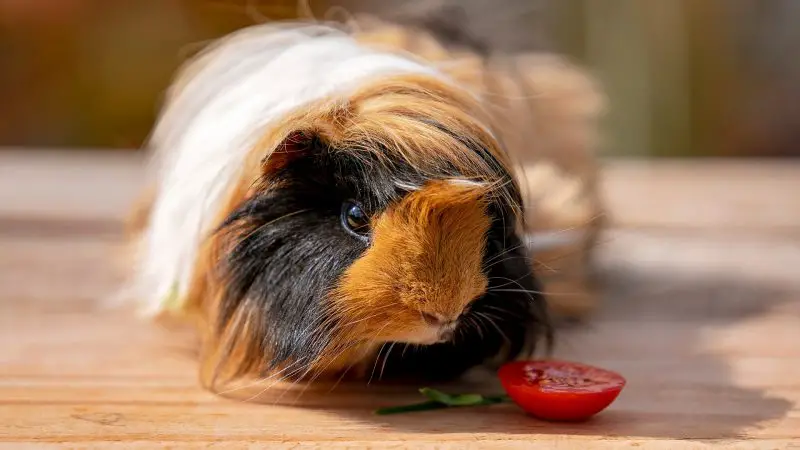
How often: like any sugary fruit, tomatoes are a treat, not a daily food — around twice a week is a sensible limit for regular tomatoes, rotated with other fresh veg. The milder, less sugary grape and cherry tomatoes can be offered a little more often, but never feed any tomato every single day. Remember the golden rule: unlimited grass hay should make up about 80% of the diet, with fresh veg and a small portion of pellets alongside — tomatoes are just an occasional extra.
Can Baby Guinea Pigs Eat Tomatoes?
Baby guinea pigs should stick to alfalfa hay and water in their first few weeks, which is what they need for healthy growth. Don’t feed tomatoes to very young pups. After about 3–4 weeks you can begin introducing tomatoes and other fresh foods, but only tiny amounts and one new food at a time.
Do Guinea Pigs Like Tomatoes?
Most guinea pigs love tomatoes — the sweet, juicy flesh and the small grape and cherry types are firm favourites — but, like people, every pig has its own taste and some simply won’t be interested. That’s perfectly fine. If yours turns up its nose, there are plenty of other great veggies to try, such as cucumber, lettuce and sweet peppers.
Related Guinea Pig Food Guides
Tomatoes are just one treat in a varied diet. For the complete picture, see our complete list of foods guinea pigs can and can’t eat (150+ types). You might also like these popular fresh-food guides:
- Can guinea pigs eat cucumber? — a hydrating everyday favourite.
- Can guinea pigs eat peppers? — a fellow nightshade and vitamin-C star.
- Can guinea pigs eat fruit? — how to handle sweet, sugary treats.
- The best guinea pig treats — healthy treat ideas they’ll love.
Frequently Asked Questions
Can guinea pigs eat tomatoes every day?
No. Tomatoes are acidic and sugary, so a regular tomato should be limited to about twice a week. The milder grape and cherry types can be given a little more often, but no tomato should be fed every single day — hay and a varied veg bowl come first.
Are tomato leaves and stems poisonous to guinea pigs?
Yes. Tomato leaves, stems, vines and the green tops contain solanine and tomatine, which are toxic to guinea pigs and can cause stomach upset and lethargy. Always remove the green stem cap and never feed the foliage.
Can guinea pigs eat green tomatoes?
Not unripe ones — unripe green tomatoes are high in solanine and are unsafe. The only exception is a variety that is naturally green when fully ripe, which can be fed in small amounts. If you’re unsure whether it’s ripe, don’t feed it.
How many cherry or grape tomatoes can a guinea pig eat?
One or two small cherry or grape tomatoes is a good serving. They’re small and mild, so there’s no need to slice them, and the soft seeds and skin are fine. Offer them a few times a week, not in big handfuls.
Can guinea pigs eat tomato seeds and skin?
Yes. On a ripe tomato the seeds are small and soft and the skin is thin, so both are safe to eat. Just wash the tomato well first to remove any pesticide residue.
Quick Facts on Tomatoes
- Botanically the tomato is a fruit (it grows from a flower and contains seeds), even though we treat it as a vegetable in the kitchen.
- Tomatoes originally come from South America — Peru and the surrounding region — and reached Europe around the 1500s.
- The scientific name, Lycopersicon lycopersicum, means “wolf peach.” Early Europeans feared tomatoes, associating them with the toxic nightshade belladonna.
- There are thousands of tomato varieties — estimates range from 4,000 to over 10,000 — in colours from red and yellow to green, purple, pink, white and black.
- Tomatoes are members of the nightshade family, alongside potatoes, eggplants and peppers — which is why their leaves and stems contain solanine.
- When under attack from caterpillars, tomato plants release a chemical that makes their own leaves taste terrible.
We’ve also made a full list of foods that guinea pigs can and can’t eat (150+ Types of Foods). Be sure to also check our recommended products page for everything you’ll need to keep your guinea pigs happy and healthy. Hope this helped you find the answer you were looking for!
Related Guinea Pig Guides
List of Sources
RSPCA — What To Feed a Guinea Pig
USDA FoodData Central — Tomatoes, Red, Ripe, Raw
Glycoalkaloids and Calystegine Alkaloids in Tomatoes