
Quick Answer: Can Guinea Pigs Eat Squash?
Yes — guinea pigs can eat squash, and most common types are safe in moderation when served raw. Squash is a good source of the vitamin C guinea pigs can’t make for themselves, plus vitamin A and other antioxidants. The key difference is between summer squash (yellow squash, zucchini/courgette, pattypan) — lower in sugar, higher in water, and fine a few times a week — and winter squash (butternut, acorn, pumpkin, spaghetti squash), which is higher in sugar and starch and is better treated as an occasional treat once or twice a week. Always feed it raw and fresh, never cooked; remove the hard seeds and any thick, tough rind on winter types; and serve roughly a small handful (about a cup) of flesh per pig alongside unlimited hay.
“Squash” actually covers a huge family of vegetables — zucchini, crookneck, pattypan, acorn, buttercup, butternut, delicata, spaghetti squash, pumpkin and more. I treat them all as small, rotating extras to a hay-based diet rather than a daily staple, because of their sugar and calcium. Below is a quick comparison of the squashes guinea pig owners ask about most, followed by a short guide to each one. (Zucchini and courgette are the same vegetable and have their own detailed guide — see can guinea pigs eat courgette/zucchini?)
Table of Content
Squash Types at a Glance
| Squash type | Safe? | Sugar | How often | Key notes |
|---|---|---|---|---|
| Butternut (winter) | ✅ Yes | Moderate | 2–3×/week | Soft, sweet, very high vitamin A; remove seeds & peel the tough skin. Flesh only. |
| Acorn (winter) | ✅ Yes | Moderate | 2–3×/week | High in potassium & fiber; remove the hard skin, stringy bits and seeds — orange flesh only. |
| Yellow squash (summer) | ✅ Yes | Low | 2–3×/week | Low calorie & low sugar; thin skin is edible; slice or remove big seeds. |
| Pumpkin (winter) | ✅ Yes | Moderate | 1–2×/week | Lower in vitamin C than other squash; never feed the seeds (choking risk). No canned/pie/puree. |
| Spaghetti squash (winter) | ✅ Yes | Low–moderate | 1–2×/week | Raw only (despite the name); remove seeds and tough rind. |
| Zucchini / courgette (summer) | ✅ Yes | Low | Up to 3–4×/week | The most everyday-friendly squash; thin skin is the most nutritious part. See its own guide. |
Is Squash Good for Guinea Pigs? | Health Benefits
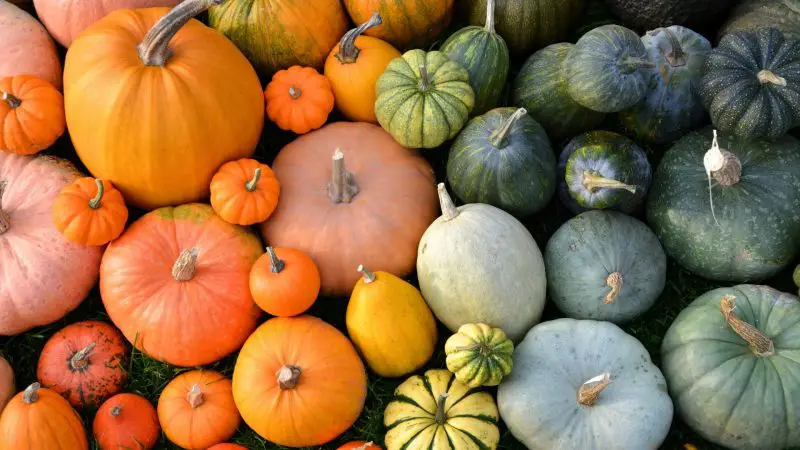
In sensible amounts, squash is a genuinely nutritious fresh food for guinea pigs. The main benefits include:
- Vitamin C — the big one. Guinea pigs can’t make or store vitamin C and develop scurvy without it (rough coat, fatigue, loss of appetite, bleeding, diarrhea). Most squash supplies a useful amount, which supports the immune system and helps make collagen for healthy tendons, joints and skin.
- Vitamin A & antioxidants. Squash — especially the orange winter types and pumpkin — is very rich in vitamin A and carotenoids like beta-carotene, lutein and zeaxanthin, which support eyesight, skin, organ health and immunity by fighting free-radical damage.
- Low in fat & calories. Squash is low in fat and (the summer types especially) low in calories, so it’s a satisfying treat that won’t easily lead to weight gain.
- Fiber for digestion. The fiber in squash, including the skin of summer types, supports a healthy gut — in moderation (too much can cause the opposite, see risks).
- Minerals. Potassium supports heart, muscle and blood-pressure health, while iron, magnesium, manganese and B vitamins (B6, riboflavin, folate) support healthy blood, nerves and overall wellbeing.
Nutrition Facts of Squash

Squash nutrition varies a lot by type, which is exactly why summer and winter squashes are fed differently. Here are typical values per 100 g (3 oz) so you can compare:
- Butternut (winter): ~45 kcal, carbs ~11.7 g, sugar ~2.2 g, vitamin C ~21 mg, vitamin A very high, calcium ~48 mg.
- Acorn (winter): higher in carbs and fiber, rich in potassium, magnesium, manganese and vitamin B6; calcium plus some phosphorus.
- Yellow squash (summer): just ~16 kcal, carbs ~3.3 g, sugar only ~1.7 g, vitamin C ~28% DV, calcium ~15 mg — low and light.
- Pumpkin (winter): ~26 kcal, carbs ~6.5 g, sugar ~2.8 g, vitamin C only ~9 mg (low), but very high vitamin A and carotenoids; calcium ~21 mg.
- Zucchini/courgette (summer): ~17 kcal, carbs ~3.1 g, sugar ~2.5 g, vitamin C ~18 mg, calcium ~16 mg — mostly water.
The two figures that decide how often each squash should appear in the bowl are sugar (winter squashes and pumpkin are higher) and calcium (all squash carries some). For context, an adult guinea pig only needs about 10–30 mg of vitamin C a day, so squash is a helpful contributor — but because pumpkin in particular is low in vitamin C, it shouldn’t be the only fresh food you rely on.
Is Squash Bad for Guinea Pigs? | Possible Risks
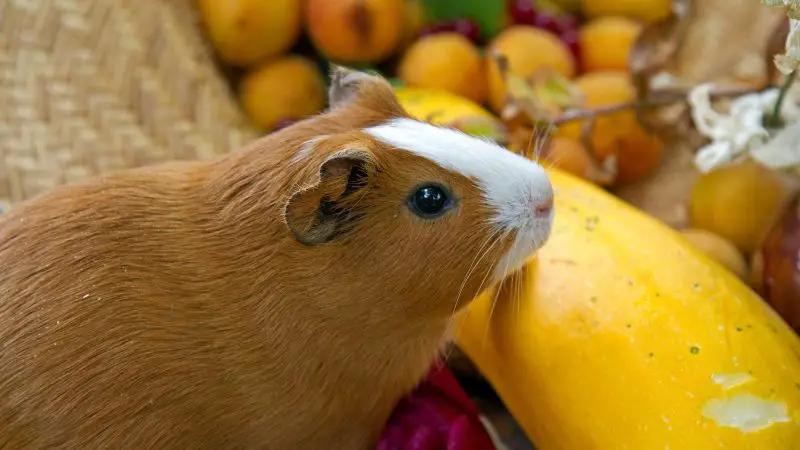
- Sugar & digestive upset. Squash — especially winter types and pumpkin — contains natural sugar that guinea pigs don’t digest well. Too much causes painful digestion, gas, bloating, cramps and diarrhea. This is the main reason winter squash is an occasional treat.
- Excess calcium → bladder & kidney stones. All squash carries some calcium. In grown guinea pigs, too much calcium builds up in the urinary tract and can cause painful or bloody urination and stones. Keep portions small and rotate squash with low-calcium veg.
- Seeds — a choking hazard. The hard seeds of winter squash and pumpkin can lodge in the throat or airway. Always remove pumpkin and winter-squash seeds. Summer-squash seeds are soft, but slice or remove any large ones to be safe.
- Tough rind. The thin skin of summer squash (yellow, zucchini) is edible and nutritious, but the thick, hard rind of winter squashes (butternut, acorn, spaghetti, pumpkin) is too tough — peel it off.
- Never cooked, no additives. Guinea pigs only eat raw, fresh squash. No butter, salt, seasoning, canned pumpkin, puree, pie or pumpkin-spice anything — cooked and processed foods can seriously upset their digestion.
- Bitter squash = don’t feed it. Squash and zucchini can occasionally develop a natural toxin called cucurbitacin that tastes very bitter and can cause vomiting and diarrhea. If a piece tastes bitter to you, don’t give it to your pig.
Serving Size & Frequency
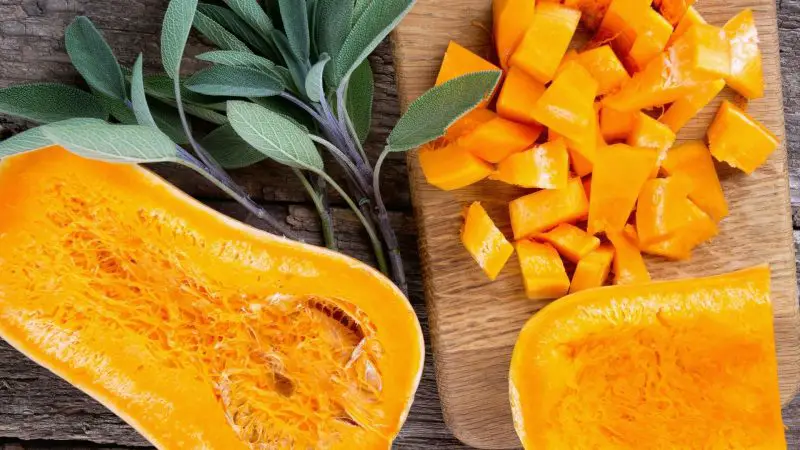
A good serving is about a small handful (roughly a cup) of flesh per guinea pig, cut into bite-size cubes. For summer squash (yellow, zucchini/courgette) you can offer this two to three times a week (courgette even a bit more often). For the sweeter, starchier winter squash (butternut, acorn, spaghetti squash) aim for two to three times a week, and keep pumpkin to once or twice a week. To prepare it:
- Wash the squash well to remove dirt, bacteria and pesticide residue.
- Peel the tough rind on winter squash; the thin skin of summer squash can be left on.
- Remove the seeds, stem and any stringy parts.
- Cut into small cubes — just the flesh — and serve raw.
Introduce any new squash in a tiny amount first and watch the droppings and behaviour for a day. If your pig dislikes it (some do), try mixing it with a favourite veg like carrot or bell pepper. And remember squash is a supplement: unlimited grass hay should make up about 80% of the diet, with a small daily portion of pellets and roughly a cup of mixed fresh veg per pig per day. Rotating different veg keeps sugar and calcium balanced and the menu interesting.
A Guide to Each Type of Squash
Butternut Squash
Guinea pigs can eat butternut squash in moderation. Butternut is the most commonly grown squash and one of the softest and sweetest, so most pigs enjoy it. It’s an excellent source of vitamin A and a good source of vitamin C, with potassium, magnesium and no cholesterol. The catch is its sugar plus calcium and phosphorus, so serve a few small cubes (less than a handful) two to three times a week, flesh only — peel the skin and remove the seeds, stem and stalk. Despite some vitamin C in the seeds, skip them: a guinea pig’s small airway makes them a real choking risk.
Acorn Squash
Guinea pigs can eat acorn squash in moderation. This ribbed winter squash is rich in vitamin C, potassium, manganese, magnesium and vitamin B6, plus plenty of fiber. That fiber is a double edge — great for digestion in small amounts, but too much can cause bloating, cramps and diarrhea. It also pairs calcium with phosphorus, so keep it to two to three times a week. Feed only the orange flesh: remove the hard skin, stringy parts and seeds, and serve it raw and plain (no butter or spreads). Some pigs dislike the taste — mixing it with peas, carrot or green beans can help.
Yellow Squash
Guinea pigs can eat yellow squash in moderation, and it’s one of the lighter choices. A summer squash, yellow squash is very low in calories and sugar (only about 1.7 g per 100 g) while still providing vitamin C, vitamin A, B6 and riboflavin. Its thin skin is edible and high in vitamin A — just wash it well. The soft seeds are fine too, though it’s wise to slice or remove the bigger ones. Offer about a cup, two to three times a week, always raw. As with all squash, too much can bring on the usual sugar/calcium issues (gas, loose stool, urinary problems), so keep portions sensible.
Pumpkin
Guinea pigs can eat pumpkin, but only once or twice a week. Pumpkin is technically a winter squash, and guinea pigs love the flesh. It’s packed with vitamin A and carotenoids (beta-carotene, lutein, zeaxanthin) that are great for eyesight, but it’s relatively low in vitamin C, so it shouldn’t be your main fresh food. Feed a small handful of raw flesh; the pulp (with seeds removed) and the skin in small amounts are fine too, and pumpkin flowers are a safe occasional treat (they actually have more vitamin C than the fruit). Never feed pumpkin seeds — they’re a choking hazard — and avoid all cooked/processed forms: no canned pumpkin, puree, pumpkin pie or pumpkin-spice latte, which are loaded with sugar and additives.
Spaghetti Squash
Guinea pigs can eat spaghetti squash in small amounts. It gets its name because the cooked flesh separates into noodle-like strands — but for guinea pigs it must be served raw, never cooked. Treat it like the other winter squashes: peel off the tough rind, scoop out the seeds, and offer a small amount of the raw flesh once or twice a week.
Zucchini & Courgette
Zucchini and courgette are the same vegetable — “courgette” is just the British and French name for what Americans call zucchini. It’s a summer squash and one of the most everyday-friendly: low in sugar, high in water, with vitamin C and antioxidants concentrated in its thin, edible skin, so it can be fed a little more often (up to three or four times a week). Because there’s plenty to cover — skin, seeds, flowers, leaves and the bitter-cucurbitacin caution — we’ve given it a dedicated guide: see can guinea pigs eat courgette (zucchini)?
Related Guinea Pig Food Guides
Squash is just one part of a varied veg menu. For the full picture, see our complete list of foods guinea pigs can and can’t eat (150+ types). You might also like these popular fresh-food guides:
- Can guinea pigs eat courgette (zucchini)? — the everyday summer squash, in detail.
- Can guinea pigs eat cucumber? — a hydrating, low-calcium everyday favourite.
- Can guinea pigs eat carrots? — another sweet veg to feed in moderation.
Frequently Asked Questions
Can guinea pigs eat squash every day?
No. Squash should be an occasional fresh food, not a daily one. Summer squashes (yellow, zucchini/courgette) can be offered two to three times a week, and the sweeter winter squashes (butternut, acorn) two to three times a week, with pumpkin limited to once or twice a week. Daily feeding risks too much sugar and calcium, which causes digestive upset and bladder stones.
Can guinea pigs eat squash seeds?
Always remove the hard seeds of winter squash and pumpkin — they’re a choking hazard. The soft seeds inside summer squash (yellow squash, zucchini) are not toxic, but it’s still safest to slice or remove the bigger ones before serving.
Can guinea pigs eat cooked squash or pumpkin?
No. Guinea pigs can only eat raw, fresh squash. Cooking destroys vitamin C and can upset their sensitive digestion, and processed forms like canned pumpkin, puree, pumpkin pie and pumpkin-spice drinks contain added sugar and additives that are harmful to them.
What’s the difference between summer and winter squash for guinea pigs?
Summer squash (yellow squash, zucchini/courgette, pattypan) is lower in sugar, higher in water and has a thin edible skin, so it can be fed a little more often. Winter squash (butternut, acorn, spaghetti squash, pumpkin) is higher in sugar and starch with a tough rind and hard seeds, so it’s more of an occasional treat — peel it and remove the seeds.
Can guinea pigs eat squash skin?
The thin skin of summer squash (yellow squash, zucchini) is edible and nutritious once washed. The thick, hard rind of winter squashes like butternut, acorn and spaghetti squash is too tough and should be peeled off before feeding.
Quick Facts on Squash
- Squash is related to melons, cucumbers and watermelons — they’re all part of the gourd (Cucurbitaceae) family.
- Summer squashes (yellow squash, zucchini, pattypan) are picked young with soft, edible skin; winter squashes (butternut, acorn, pumpkin, spaghetti) have a hard rind and store for months.
- Botanically squash is a fruit, but we eat and feed it like a vegetable.
- Spaghetti squash is named for the way its flesh separates into noodle-like strands when cooked — nothing to do with pasta.
- The word “squash” comes from the Native American askutasquash, meaning “eaten raw and uncooked” — fitting, since that’s exactly how guinea pigs should have it.
- Evidence of squash cultivation dates back thousands of years to Mexico, Central America and Peru.
We’ve also made a full list of foods that guinea pigs can and can’t eat (150+ Types of Foods). Be sure to also check our recommended products page for everything you’ll need to keep your guinea pigs happy and healthy. Hope this helped you find the answer you were looking for!
Related Guinea Pig Guides
List of Sources
RSPCA — What To Feed a Guinea Pig
The Effects of Diet on Anatomy, Physiology and Health in the Guinea Pig
Nutrient Requirements of Laboratory Animals (Guinea Pig)
Medicinal and Biological Potential of Pumpkin: An Updated Review