
Whenever someone mentions guinea pigs, people usually presume that these pets originate from the Guinea region located in Africa. Well, that is not really true. They are adorable rodents that live quite far from that region.
Their real origin story — and the reason for their misleading name — says a lot about how today’s pet came to be.
Where do guinea pigs live in the wild? In the wild, guinea pigs live in burrows or any shelter safe from predators in grassland, forest edges, and even rocky areas. Also, they originated from the wild regions of South America.
Last reviewed and updated for 2026.
Table of Content
Quick Answer: Where Do Guinea Pigs Live in the Wild?
- Wild guinea pigs live in South America — across grasslands, forest edges, savannas, swamps, and rocky areas of the Andes and surrounding regions, not in Africa or “Guinea.”
- They don’t dig their own burrows. Wild cavies shelter in rock crevices, dense vegetation, and burrows abandoned by other animals.
- They live in small social groups (a few females, young, and a dominant male) and are active at dawn and dusk to avoid predators.
- The pet guinea pig (Cavia porcellus) is domesticated — it no longer exists in the wild and descends from a wild cavy ancestor (such as Cavia tschudii) tamed in the Andes thousands of years ago.
- Wild relatives still exist — species like Cavia aperea live wild in South America today, but they are not the same as your pet.
The guinea pigs were originally living in quite different conditions than now in modern times. Also, the purpose of keeping them was different than it is now. Before, guinea pigs were kept mainly as a food source. Now, guinea pigs are our adorable pets. But in some countries, they are still sadly used as food.
All guinea pig lovers should explore the guinea pig’s history, stay with us till the end in order to find some amazing facts about your beloved pet. Let’s begin!
Where Does Guinea Pig First Domesticated?
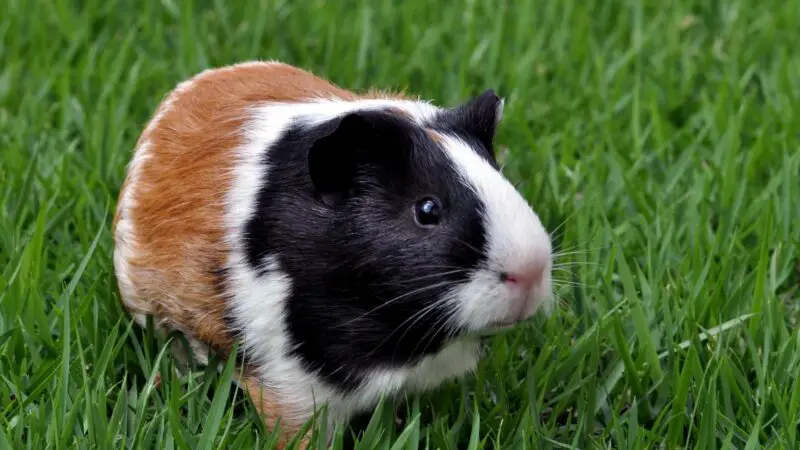
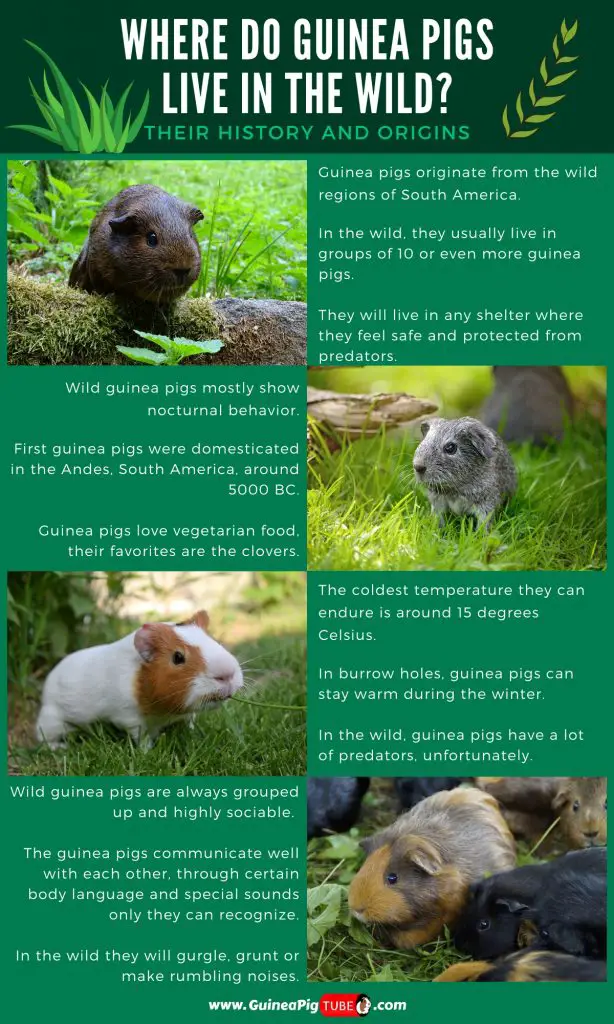
In the wild, they usually live in groups of 10 or even more guinea pigs. Guinea pigs live in burrows made by them or other animals. They will live in any shelter where they feel safe and protected from predators.
Wild guinea pigs mostly show nocturnal behavior and they are quite different from our domesticated guinea pigs. First guinea pigs were domesticated in the Andes, South America, around 5000 BC.
This region in present times extends through countries such as Bolivia, Ecuador, Columbia, and Peru.
Related: Where Do Guinea Pigs Come From?
Is Climate a Factor in Guinea Pigs Living in the Wild?
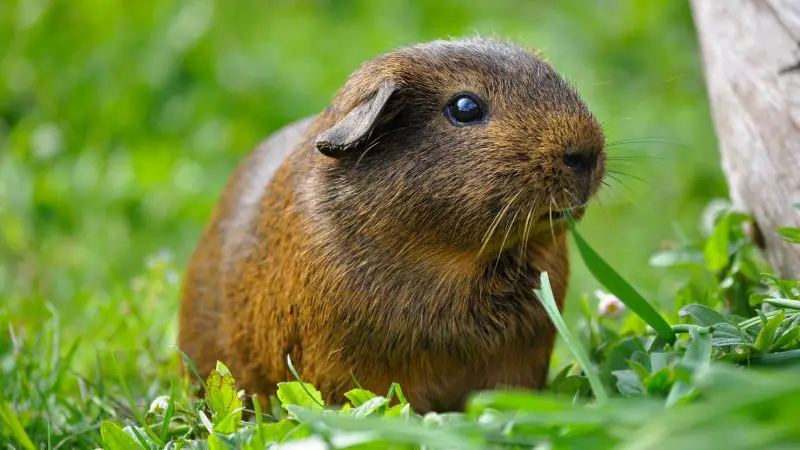
The climate in which guinea pigs originated is ideal for them. In the Andean region, the temperature is lower because of the high altitudes, and so are the humidity and atmospheric pressure.
Mainly, this is a rainy climate with mostly dry conditions in the central regions. There is a lot of rain and warm air with average temperatures of 18°C.
It is the same in the surrounding regions. Peru, for example, has a dry and warm climate. Sometimes with rainfalls but overall a very pleasant temperature most of the time. In such a climate, the guinea pigs thrive the most, not too hot or too cold is perfect for them.
But, in the winter time, very cold temperatures are not good for the guinea pigs. It is said that the coldest temperature they can endure is around 15°C. They keep themselves warm by simply gathering around, in their packs of several cavies at once, and snuggling together in their burrows.
In these holes in the ground, they feel safe against predators and can quickly escape from danger, by going beneath the ground. Besides, in these burrow holes, they can stay warm during the winter or even snuggle and keep all of the family together in a safe place.
What Do Guinea Pigs Do in the Wild?
Guinea pigs love vegetarian food. In the wild, they munch on various herbs, leaves, flowers, most types of grass, hay, and plants. Their favorites are the clovers.
The domesticated guinea pigs are not much different. They still love leafy greens, vegetarian foods, herbs, and like domesticated guinea pigs they do not eat meat.
In general, the guinea pigs are good at surviving, mostly because they don’t need to hunt for food. They rely on plants and food that grows from the ground.
Related: What Do Guinea Pigs Eat in The Wild?
Survival in the Wild During the Winter Time
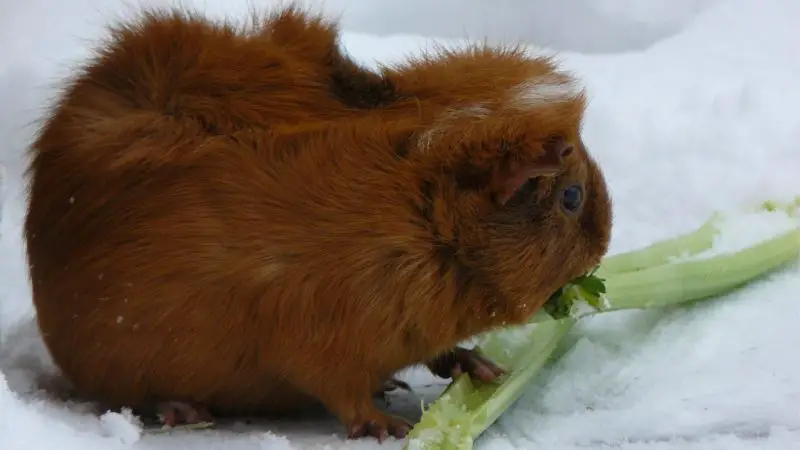
The guinea pigs will always seek some shelter in the winter. Most of the time, burrows are practical, but even more important is the nutrition for survival in harsh conditions. In the winter, every creature needs more calories or special food. The same thing applies to the guinea pigs.
To keep themselves warm, they need to use more energy and this requires very nutritious foods. Most of the time, they depend on many types of grasses, wild plants, and even wild vegetables which are a real treat as well.
All these foods give them enough nutrition to withstand the cold weather and to search for safe shelter in the wild.
Related: Can Guinea Pigs Get Cold and Can They Live Outside?
Guinea Pig Predators | How Do They Protect Themselves in the Wild?
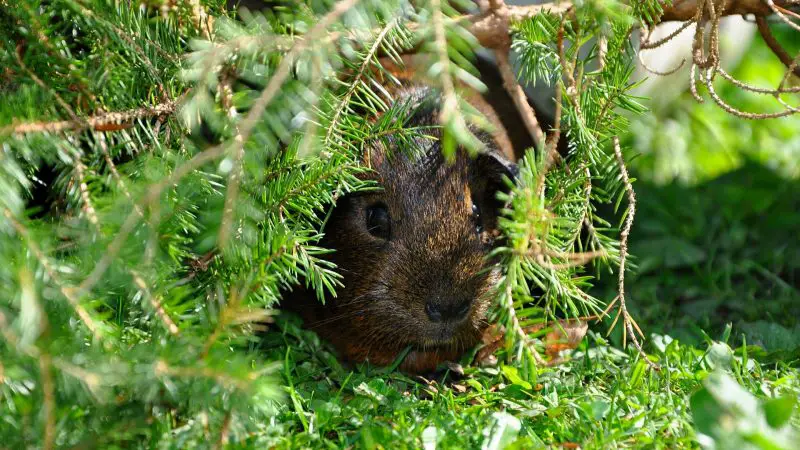
In the wild, the guinea pigs have a lot of predators. The small size of the guinea pigs and their lack of great speed makes them incredibly vulnerable animals in the wild regions. An animal like the cavy, of such a small weight and 4 limbs, is an easy target, and easily visible unless hidden in the burrows.
Some of the guinea pig predators are:
- Owls
- Snakes
- Hawks
- Coyotes
- Cats
- Wolves
Guinea pigs face many challenges when they live in the wild. This is why they made themselves safe spots for hiding when the outside is too dangerous.
One of these spots is burrows. These burrows are medium-sized holes dug under the ground. Even more interesting, they are almost all made by other animals but guinea pigs find them and create a home out of them.
How Have Guinea Pigs Managed to Survive in the Wild?
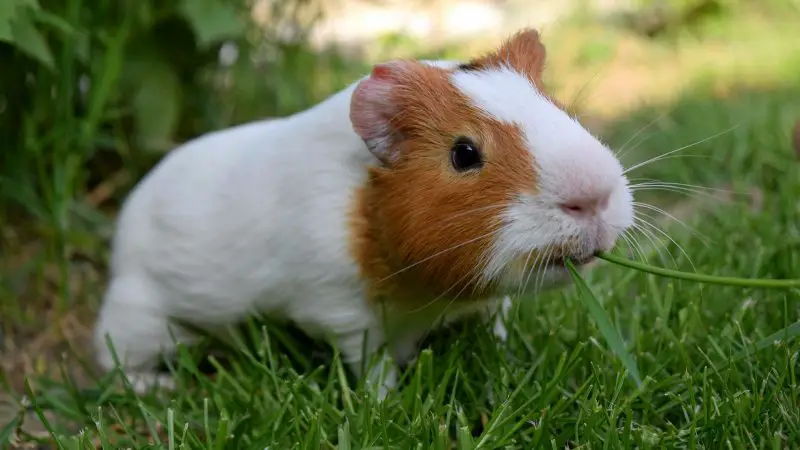
Before, the guinea pigs did not have hay or pellets for their nutritional or dental needs. Instead, they relied just on fruits or vegetables, herbs, and different grass types.
They preferred the grass areas in South America (in Peru, Bolivia, Columbia, and Ecuador). The guinea pigs were always grouped up and highly sociable.
Each group would most likely have the male as a leader, and the sows as mothers. This means that at any time, pups would be able to switch their moms as an adaption for survival when the real mother was absent at the moment.
This made guinea pigs’ survival instinct perfect – being able to rely on ‘another mother’ in times of need and safety.
Whenever a danger approached or was noticed, one of the cavies would ‘whistle’ as a warning sign to other cavies nearby. In the wild, guinea pigs are active mainly at dusk to avoid predators.
Communication Methods of Guinea Pigs in the Wild
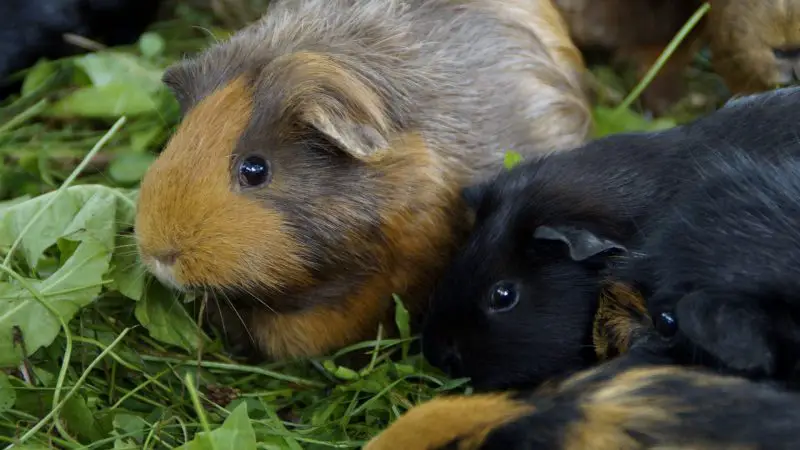
The guinea pigs communicate well with each other through certain body language and special sounds that only they can recognize. Usually in the wild, they will gurgle, grunt or make rumbling noises for discrete communication.
However, when a larger animal has already entered the habitat of the guinea pig, they will show submission by head positioned low and produce rumbling sounds. If the guinea pigs have been given the chance to hide, instead of being submissive, they will simply gather fast in the burrow.
Related: What Do Guinea Pigs Sound Like?
Related Guinea Pig Guides
- Where Are Guinea Pigs Native To?
- Guinea Pig Breeds and Types
- Are Guinea Pigs Actually Pigs?
- What Do Guinea Pigs Eat in the Wild?
- Beginner’s Guide to Guinea Pig Care
Frequently Asked Questions
Where do guinea pigs live in the wild?
Wild guinea pigs and their close relatives live across South America — in grasslands, forest edges, savannas, swamps, and rocky mountain areas of the Andes and surrounding regions. They shelter in rock crevices, dense plants, and burrows dug by other animals.
Do guinea pigs still exist in the wild?
The domestic pet guinea pig (Cavia porcellus) no longer lives in the wild — it exists only as a domesticated animal. However, closely related wild cavy species, such as Cavia aperea, still live wild in South America today.
Are guinea pigs from Africa or Guinea?
No. Despite the name, guinea pigs are not from Guinea or anywhere in Africa, and they are not pigs. They come from South America. The “guinea” part of the name is most likely tied to old trade routes or a mispronunciation, not their place of origin.
Do wild guinea pigs dig burrows?
Wild guinea pigs generally do not dig their own burrows. Instead they shelter in natural hiding spots — rock crevices, thick vegetation, and burrows abandoned by other animals — and they are most active at dawn and dusk to stay safe from predators.
How did guinea pigs become pets?
People in the Andes region of South America domesticated guinea pigs thousands of years ago, originally as a food source and for ceremonial use. From there they spread worldwide as pets. Today’s domestic guinea pig descends from a wild cavy ancestor such as Cavia tschudii.
List of Sources
Foraging Under Predation Risk in the Wild Guinea Pig Cavia Aperea
Social System and Spatial Organization of Wild Guinea Pigs (Cavia aperea) in a Natural Population