
Quick Answer: Can Guinea Pigs Eat Beans?
It depends entirely on which “bean” you mean. Guinea pigs can eat the fresh, raw green pods — green beans, young runner beans, fresh peas and bean sprouts — in small amounts a couple of times a week. But they should never eat dried, cooked or canned beans (kidney, black, pinto, baked beans and so on). Raw dried beans contain a natural toxin, cooked food upsets a guinea pig’s gut, and canned beans are full of salt. Because all legumes are a bit gassy, even the safe ones are an occasional treat, not a daily green, always served raw, fresh and well washed alongside unlimited hay.
I treat beans, peas and sprouts the same way in my own herd: a few green beans or a small handful of sprouts as a twice-a-week snack, never the dried beans from the cupboard. Below is a quick comparison of every bean, pea and sprout, followed by a short guide to each one. (Mange tout and sugar snap peas have their own quirks, so they’re covered in a separate guide here.)
Table of Content
Beans, Peas & Sprouts at a Glance
| Food | Safe? | Gas risk | How often | Key notes |
|---|---|---|---|---|
| Green beans (raw, fresh) | ✅ Yes | Moderate | 1–2×/week | The safest pick; good vitamin C, low sugar. A few beans per pig, raw only. |
| Runner beans (young pods) | ⚠️ Small amounts | Moderate | Occasionally | Only young, fresh, raw pods. Never the mature seeds inside (toxic lectin). Green beans are safer. |
| Peas (fresh, in pod) | ✅ Yes, sparingly | Moderate | ~1×/week | Higher in sugar, phosphorus & calcium — 1–2 pods only. See frozen-pea note below. |
| Bean sprouts (mung/soy) | ✅ Yes | Moderate | 1–2×/week | Rinse well (bacteria risk); raw, a few sprouts. Many pigs dislike the smell. |
| Brussels sprouts | ✅ Yes | High | 1–2×/week | Very high vitamin C but gassy and higher calcium/sodium — 1–2 small sprouts. |
| Mange tout / sugar snap | ✅ Yes | Moderate | See guide | Covered in our separate mange tout guide. |
| Dried, cooked or canned beans | ❌ No | — | Never | Toxic raw, indigestible cooked, salty canned. Keep all of these away from guinea pigs. |
Are Beans Good for Guinea Pigs? | Health Benefits
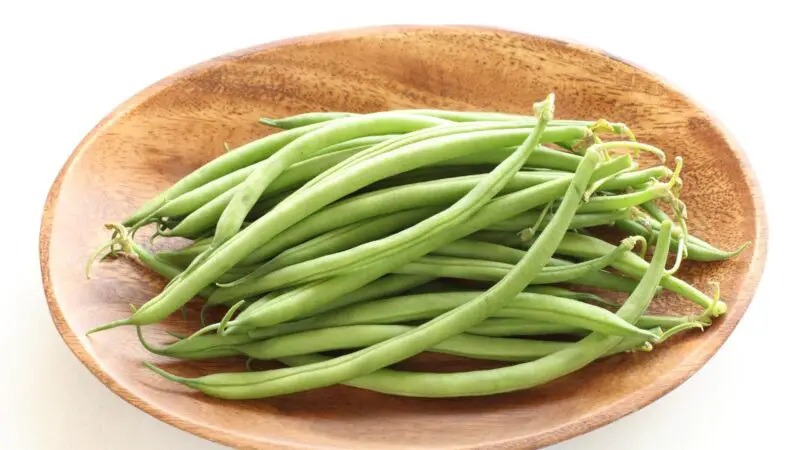
When we say “beans” for guinea pigs we mean the fresh green pods and sprouts, not the starchy dried beans we cook for ourselves. In small amounts those fresh pods are a genuinely useful fresh food. The benefits include:
- Vitamin C. Guinea pigs can’t make or store vitamin C and develop scurvy without it. Green beans, peas, bean sprouts and especially Brussels sprouts are good sources that support the immune system and help prevent scurvy.
- Fiber for digestion. All legumes are rich in dietary fiber, which (in moderation) keeps the gut moving and helps prevent constipation.
- Low in fat & calories. Fresh green beans, peas and sprouts are low in fat and calories, so a small serving is a satisfying treat without risking obesity.
- Antioxidants. These foods supply antioxidants (and minerals like manganese and selenium) that mop up free radicals and support overall cell health.
- Vitamin K, A & B vitamins. Bean sprouts and Brussels sprouts in particular are rich in vitamin K for healthy blood and bones, with vitamin A and B vitamins supporting eyesight, skin and general wellbeing.
- A little plant protein and iron. Legumes provide modest protein and iron, which support energy and healthy blood — useful as part of a varied veg rotation.
Nutrition Facts of Beans, Peas & Sprouts
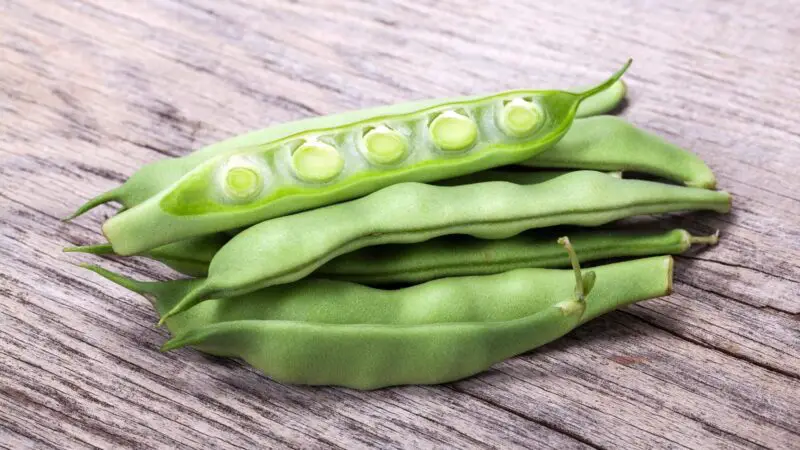
Here is roughly what each of the safe options provides per 100 g raw, which explains how often each one belongs in the bowl:
- Green beans – ~31 kcal · carbs 7.1 g (sugars just 1.4 g) · fiber 3.4 g · vitamin C ~12 mg · vitamin K · calcium ~37 mg · low fat. Low sugar and moderate calcium make these the everyday-friendliest legume.
- Runner beans – ~30 kcal · carbs 3.2 g (sugars 2.8 g) · fiber 3.2 g · vitamin C ~30% DV · low fat. Similar to green beans but a touch sweeter.
- Peas – higher in sugar, phosphorus and calcium than green beans, plus good vitamin C and vitamin A. That richer profile is exactly why peas are a once-a-week, 1–2-pod treat.
- Bean sprouts – ~31 kcal · very high fiber (~9 g) · vitamin C ~23% DV · vitamin K ~43% DV · folate · some phosphorus · almost no fat.
- Brussels sprouts – ~43 kcal · carbs 9 g (sugars 2.2 g) · fiber 3.8 g · vitamin C ~85 mg (very high) · vitamin K ~177 µg · calcium ~42 mg · sodium ~25 mg.
The two numbers that decide frequency are sugar (peas are highest) and calcium plus phosphorus (peas, bean sprouts and Brussels sprouts all carry enough to matter). Green beans are the lowest-risk all-rounder.
Are Beans Bad for Guinea Pigs? | Possible Risks
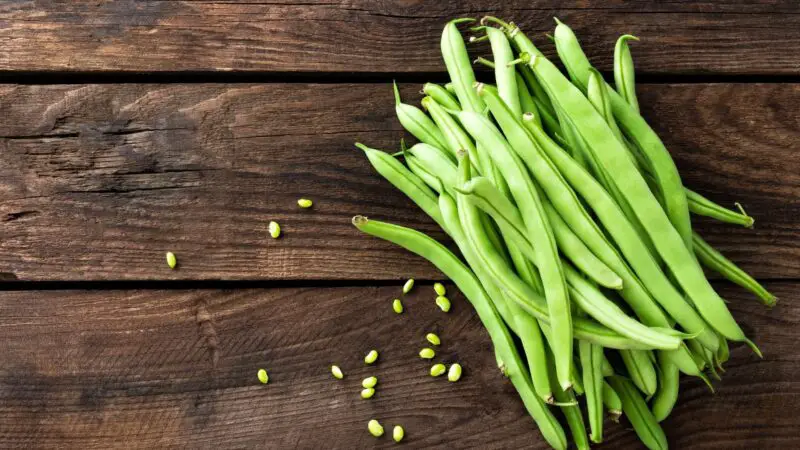
- Dried, cooked & canned beans are NOT safe — this is the big one. Raw dried beans (kidney, black, pinto, butter beans, etc.) contain a natural toxin called phytohaemagglutinin (a lectin) that can cause serious stomach upset. Cooking removes that toxin for us, but guinea pigs can’t digest cooked or starchy food at all, and canned beans add salt and preservatives. Never feed any dried, cooked, baked or canned beans — only fresh green pods are appropriate.
- Gas & bloating. All legumes ferment in the gut and produce gas. Guinea pigs can’t easily burp or pass wind, so too much causes painful bloating — which is why every safe food on this page is a small, occasional treat. Brussels sprouts are the gassiest.
- Excess calcium & phosphorus → bladder stones. Peas, bean sprouts and Brussels sprouts contain enough calcium and phosphorus that overfeeding can lead to bladder or kidney stones, painful or bloody urination, and infections. See a vet if you spot blood in the urine or straining.
- Sugar & digestive upset. Peas and runner beans are a little sugary, and guinea pigs digest sugar poorly — too much causes cramps, loose stool and diarrhoea. Introduce any new food in a tiny amount and watch the droppings.
- Always raw, never cooked or frozen-cold. Guinea pigs only eat raw, fresh food. Skip commercially frozen veg (usually blanched and salted) and never serve anything straight from the fridge or freezer — bring it to room temperature first.
Serving Size & Frequency
A sensible serving is a few green beans, one or two pea pods, a small handful of sprouts, or one to two small Brussels sprouts per guinea pig. Aim for the lower-risk foods (green beans, bean sprouts) once or twice a week, and the richer ones (peas, runner beans, Brussels sprouts) once a week at most. Always serve raw, fresh and well washed, and trim any tough stem ends.
Introduce any new food in a tiny amount first and watch the droppings and behaviour for a day. If you see soft stool, bloating or your pig going off its food, cut it out. Remember these foods are a supplement: unlimited grass hay should make up about 80% of the diet, with a small daily portion of pellets and roughly a cup of mixed fresh veg per pig per day. Rotating different veg keeps calcium intake balanced and the menu interesting.
A Guide to Each Bean, Pea & Sprout
Green Beans
Guinea pigs can eat raw green beans in moderation — they’re the safest legume on this list. Green beans (also called string, French or snap beans) are the unripe pods of the common bean, and the whole pod is edible raw. They’re low in calories and sugar, with useful vitamin C to guard against scurvy, fiber for digestion, and antioxidants like manganese and selenium. There’s no need to peel them; just rinse well, trim the hard stem ends, and serve a few raw beans one to two times a week. Choose firm, fresh young pods that snap cleanly. Never feed them cooked, canned or commercially frozen — cooked beans lose their vitamin C and can’t be digested, and canned beans are salty and overcooked. The leaves of the green bean plant are also safe to nibble. Whole seeds inside very mature pods are best avoided as a choking risk.
Runner Beans
Only young, fresh, raw runner bean pods, and only in very small amounts. Runner beans are long green pods (with purple-streaked beans inside) and are closely related to green beans, so a little of the tender young pod, raw and washed, is generally fine as an occasional treat. The important caveat: the mature beans/seeds inside — and any dried runner beans — contain phytohaemagglutinin, a lectin that is toxic raw. Never feed the mature seeds or dried beans, and never cooked runner beans either. Because of that risk and the fact that they’re a touch more sugary, many owners simply offer green beans instead, which give the same benefits with less to worry about. If you do offer runner beans, stick to a small piece of young pod, occasionally, and stop if you see any digestive upset.
Peas (and a Note on Frozen Peas)
Guinea pigs can eat fresh peas, but only sparingly — about one to two pods once a week. Peas are a good source of vitamin C and vitamin A, but they’re higher in sugar, phosphorus and calcium than green beans, which is why they’re a small, occasional treat rather than a regular green. You can offer the whole young pod or a few of the peas inside, raw and fresh.
Frozen peas need extra care. Most shop-bought frozen peas and frozen veg mixes are blanched (lightly cooked) before freezing, and some carry added salt or preservatives — that makes them not recommended for guinea pigs, because cooked and processed food upsets their digestion. If you only have access to peas that were frozen raw and plain (for example, fresh peas you froze yourself), thaw them fully to room temperature and rinse before serving — never feed anything cold or icy, as it can cause diarrhoea. When in doubt, fresh peas are always the better choice.
Bean Sprouts
Guinea pigs can eat bean sprouts in moderation. These are sprouted beans (usually mung beans or soybeans), high in fiber and vitamin K with useful vitamin C and almost no fat. Feed a small amount — less than a handful — one to two times a week, raw. Two things to keep in mind: sprouts are grown in warm, damp conditions that can harbour bacteria like E. coli, listeria and salmonella, so rinse them thoroughly and use them fresh; and they contain some phosphorus, which (with calcium) is linked to urinary stones if overfed. Many guinea pigs also dislike their strong smell, so introduce them on their own and don’t worry if your pig turns its nose up.
Sprouts (Alfalfa, Broccoli, Radish & More)
Guinea pigs can eat a range of sprouted seeds — alfalfa, broccoli, clover, radish and pea shoots — in small amounts. Sprouts are germinated seeds that are low in sugar but rich in vitamin C, vitamin K, fiber and antioxidants, so they’re a nutritious occasional addition. The catch is the same as with all legumes: they can be gassy (they contain phosphorus and some oxalates that ferment in the gut), and the calcium in some sprouts can contribute to bladder stones if overdone. Offer a small handful a couple of times a week, raw and well rinsed, alternating with other veg. Broccoli sprouts are especially good for digestion; alfalfa sprouts are higher in calcium, so keep those occasional. As always, never cook or freeze them.
Brussels Sprouts
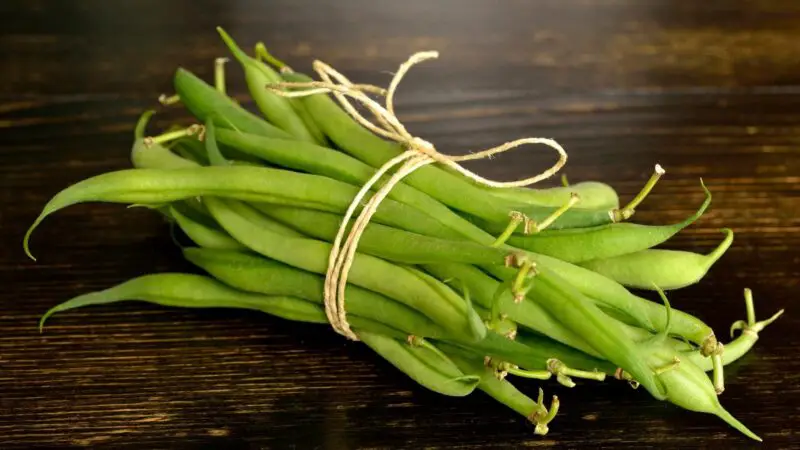
Guinea pigs can eat Brussels sprouts in moderation. Despite the name they aren’t a true bean at all — they’re a cruciferous vegetable in the same family as cabbage (Brassica oleracea) — but they’re a common “sprout” question, so they belong here. Brussels sprouts are exceptionally high in vitamin C (around 85 mg per 100 g), with vitamin K, antioxidants and fiber. The trade-off is that they’re one of the gassiest foods around and carry more calcium and sodium than green beans, both of which raise the risk of bloating and bladder stones if overfed. Feed one or two small sprouts once or twice a week, raw. The leaves and the small tops of the stalk are also safe and nutritious. Some pigs love them and some refuse the smell — both are normal. For more on the cabbage family, see our guide to cabbage and cruciferous veg.
What About Mange Tout & Sugar Snap Peas?
Mange tout and sugar snap peas are eaten pod-and-all and have their own serving rules around sugar and calcium, so we’ve given them a dedicated guide rather than squeezing them in here. See Can guinea pigs eat mange tout? for the full details.
Related Guinea Pig Food Guides
Beans and peas are just one part of a varied veg menu. For the full picture, see our complete list of foods guinea pigs can and can’t eat (150+ types). You might also like these popular fresh-food guides:
- Can guinea pigs eat mange tout? — the pod peas, in detail.
- Can guinea pigs eat cabbage? — Brussels sprouts’ cruciferous relatives.
- Can guinea pigs eat cucumber? — a hydrating, low-calcium everyday favourite.
Frequently Asked Questions
Can guinea pigs eat cooked or dried beans?
No. Raw dried beans contain phytohaemagglutinin, a natural toxin, and cooked, baked or canned beans are starchy, salty and impossible for a guinea pig to digest. Only fresh, raw green pods — green beans, young runner beans, fresh peas — are safe, and always in small amounts.
Can guinea pigs eat green beans every day?
No. Green beans are the safest legume here, but like all beans they’re a bit gassy, so feed just a few raw beans one to two times a week rather than daily. Always serve them raw and fresh, never cooked or canned.
Can guinea pigs eat frozen peas?
Shop-bought frozen peas are usually blanched and sometimes salted, so they’re not recommended. If you have peas that were frozen raw and plain, thaw them fully to room temperature and rinse before offering a tiny amount. Fresh peas are always the better choice, and only once a week because of their sugar and calcium.
Are runner beans safe for guinea pigs?
Only the young, fresh, raw pods, and only in very small amounts. The mature beans inside and any dried runner beans contain a toxic lectin and must never be fed. Because of that, green beans are the safer everyday choice.
Why are Brussels sprouts and peas limited more than green beans?
Brussels sprouts are very gassy and higher in calcium and sodium, while peas are higher in sugar, phosphorus and calcium. Both can lead to bloating or bladder stones if overfed, so they’re once-a-week treats, whereas low-sugar green beans can be offered a little more freely.
Quick Facts on Beans, Peas & Sprouts
- “Green beans,” string beans, French beans and snap beans are all the same thing — the unripe edible pod of the common bean.
- Runner beans (Phaseolus coccineus) come from Central America and are grown both for food and as ornamental climbers with red flowers that hummingbirds love.
- The toxin in raw dried beans, phytohaemagglutinin, is destroyed by thorough cooking for humans — but guinea pigs can’t eat cooked food, so dried beans are simply off the menu.
- Bean sprouts are usually sprouted mung beans or soybeans and are a staple across much of Asia.
- Brussels sprouts aren’t beans at all — they’re miniature members of the cabbage family and one of the richest vegetable sources of vitamin C.
- Peas, beans, lentils and peanuts are all legumes, which is why they share that gassy, high-fiber profile.
We’ve also made a full list of foods that guinea pigs can and can’t eat (150+ Types of Foods). Be sure to also check our recommended products page for everything you’ll need to keep your guinea pigs happy and healthy. Hope this helped you find the answer you were looking for!
Related Guinea Pig Guides
List of Sources
RSPCA — What To Feed a Guinea Pig