
Thinking about bringing home a guinea pig? It’s one of the best small-pet decisions a family can make — but only if you go in knowing what these gentle little animals actually need. Below is the honest answer, the real pros and cons, and exactly what to weigh before you commit.
Table of Content
Quick Answer: Are Guinea Pigs Good Pets?
- Yes — guinea pigs are excellent pets: gentle, affectionate, rarely bite, and wonderful for families.
- But they’re a real commitment: they live 5–7 years, need a companion (never keep just one), a large cage, daily fresh veg plus unlimited hay, and regular cleaning.
- Best for: families, gentle older kids (with adult supervision), and anyone who wants an interactive pet that doesn’t need walking.
- Maybe not for you if: you want a cuddle-on-demand lap pet, have very little space, or can’t commit to years of daily care.
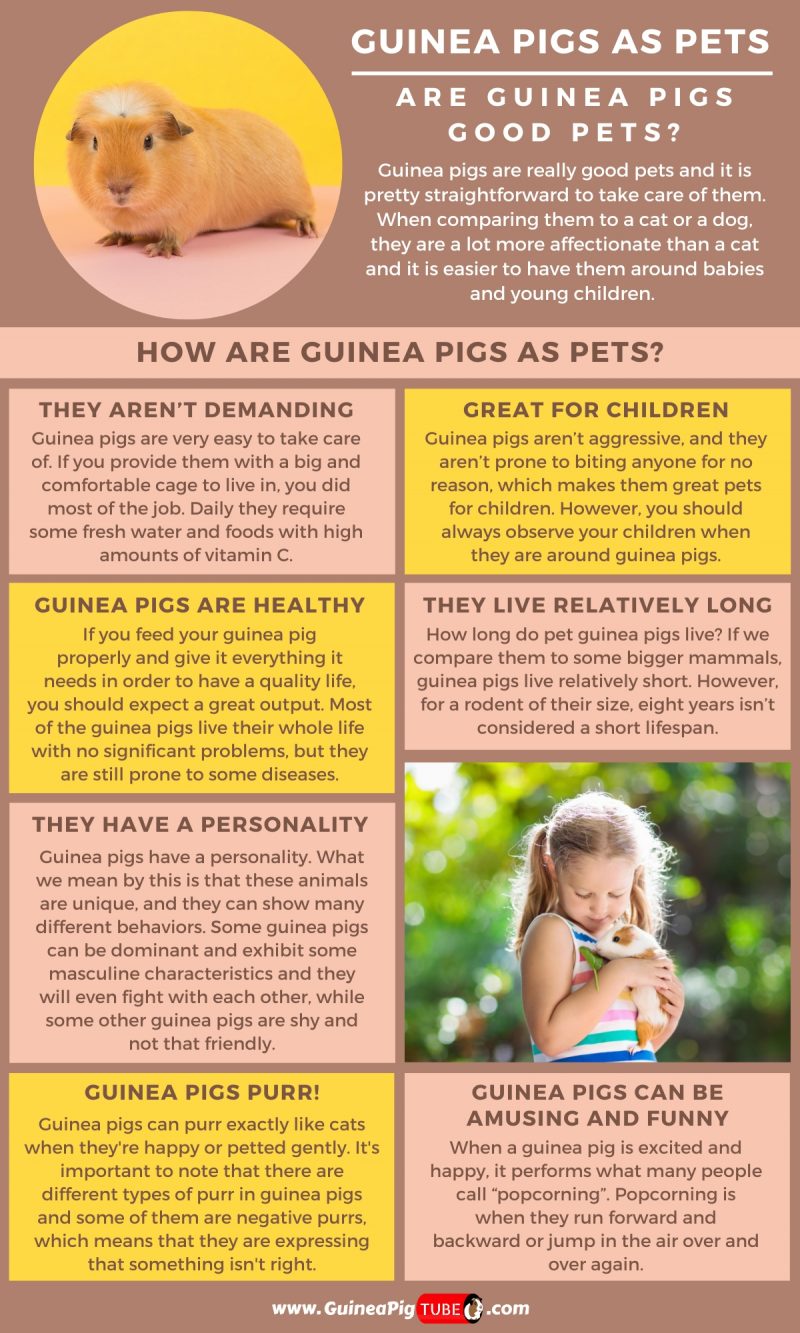
The Honest Verdict
Guinea pigs are some of the friendliest, most rewarding small pets you can own. They’re more affectionate than most people expect, they almost never bite, and they’re calm enough to suit homes with children. They’re also genuinely interactive — they learn your routine, “talk” to you with a range of squeaks, and greet you when you walk in.
The catch is that “easy” doesn’t mean “no work.” Guinea pigs need company, space, a constant supply of hay, fresh vegetables every day, and a clean cage. Meet those needs and you’ll have a delightful pet for the better part of a decade. Skip them and a guinea pig will be stressed and unhealthy. So the real question isn’t are they good pets — it’s are they a good fit for your home. Here’s how to tell.
Reasons Guinea Pigs Make Great Pets
They’re gentle and rarely bite
Guinea pigs are prey animals, not biters. Once they trust you, handling is calm and safe — which is exactly why they’re a better choice than hamsters or gerbils for homes with kids. The key is gentle, confident handling; our guide on how to tame a guinea pig walks you through it.
They’re affectionate — and they “purr”
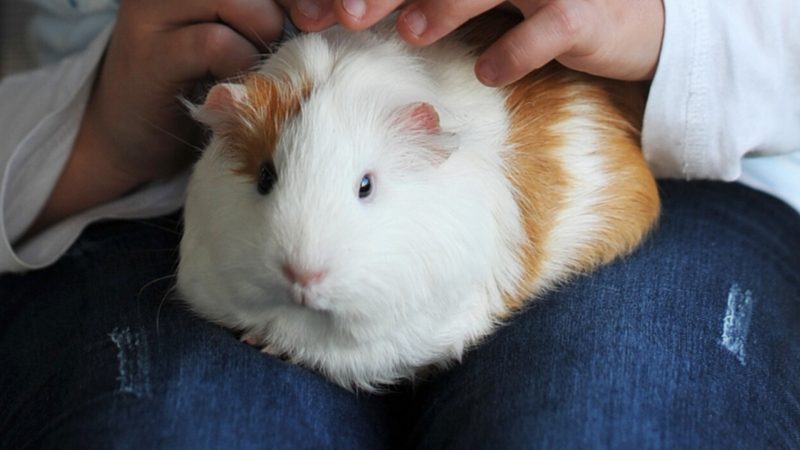
A content guinea pig will make a soft, rumbling “purr” when it’s relaxed and being stroked, and an excited “wheek” when it hears the fridge open. They bond closely with their humans and recognise the people who care for them — a level of affection most first-time owners are pleasantly surprised by.
They have big, funny personalities
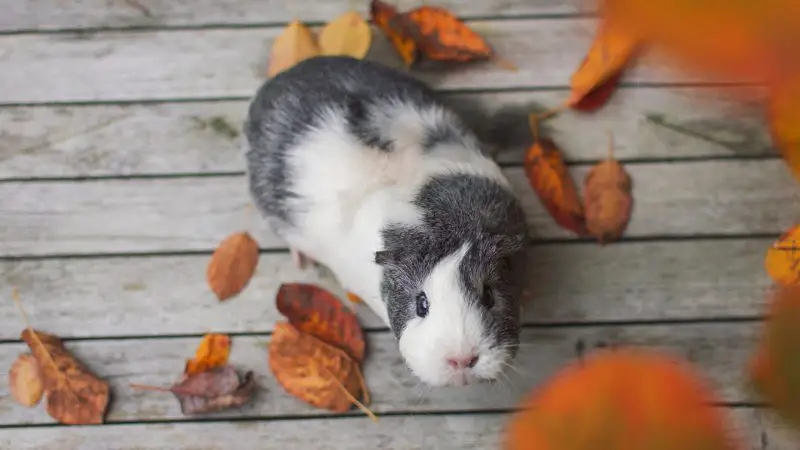
Happy guinea pigs “popcorn” — little hops and twists of pure joy — and zoom around their cage at feeding time. Each one has a distinct personality, from bold and bossy to shy and cuddly. They’re genuinely entertaining to watch, which is a big part of their charm.
They’re low-maintenance day to day
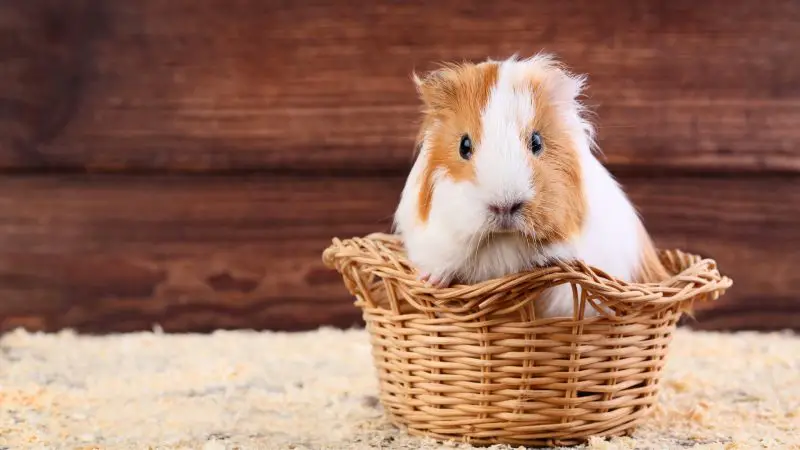
No walks, no litter-tray drama, no early-morning barking. A guinea pig’s daily needs are simple: fresh water, fresh veg, a top-up of hay, and a quick tidy. That predictable, low-fuss routine makes them ideal for busy households and first-time pet owners.
They’re hardy and long-lived for a small pet
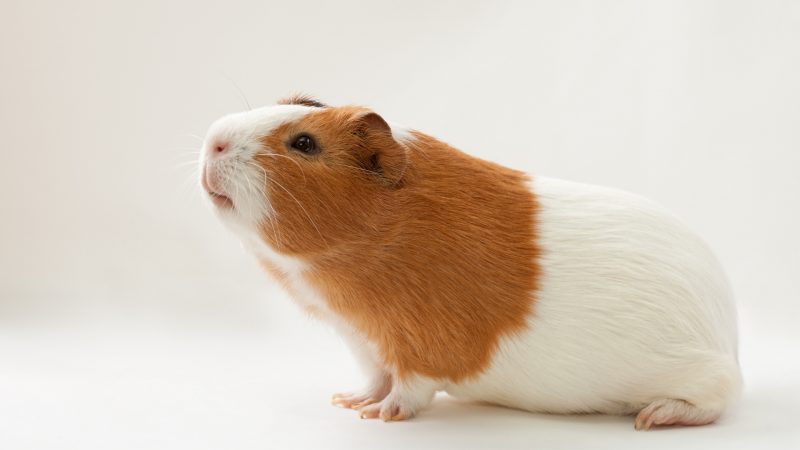
With good care, guinea pigs live 5 to 7 years — far longer than hamsters or mice. That longer lifespan means a deeper bond, but it’s also why they’re a multi-year commitment rather than a passing phase (more on that below).
They’re easy to tame and bond with
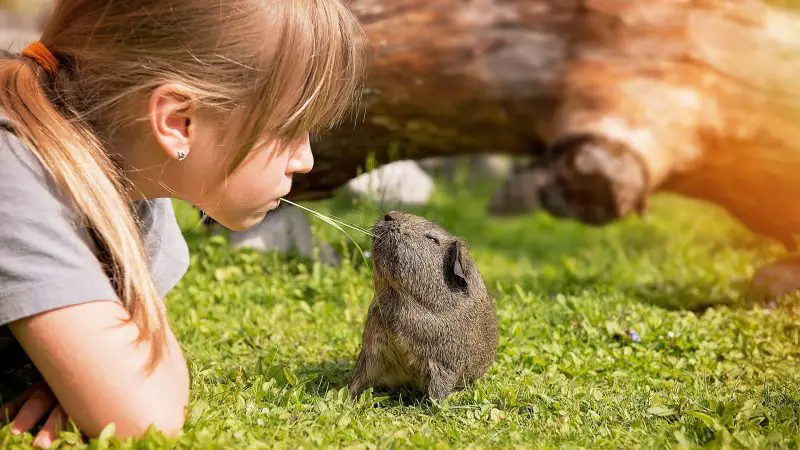
With patience and a handful of veggies, guinea pigs quickly learn to trust you, come when called, and even do simple tricks. They’re food-motivated and intelligent, so bonding is one of the most rewarding parts of owning them.
What to Know Before Getting a Guinea Pig
Get two — they get lonely alone
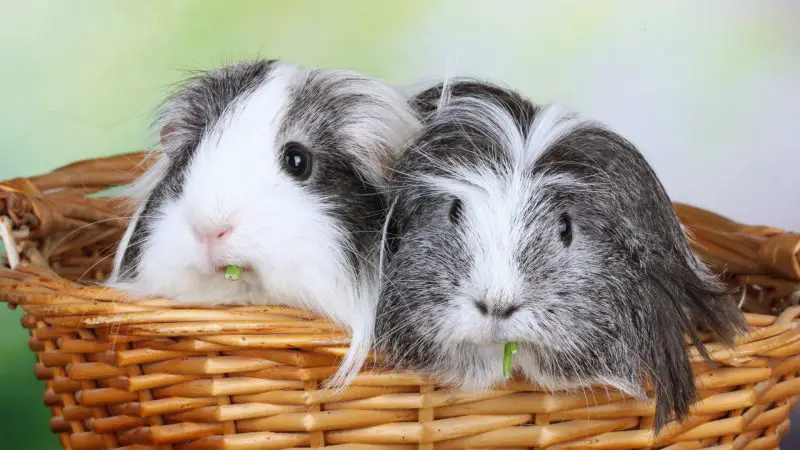
This is the single most important thing to know: guinea pigs are herd animals and become stressed and depressed kept alone. Always keep at least two (a same-sex pair, or a neutered male with a female). In some countries it’s even illegal to keep a single guinea pig. Plan for a pair from day one.
They need a big cage
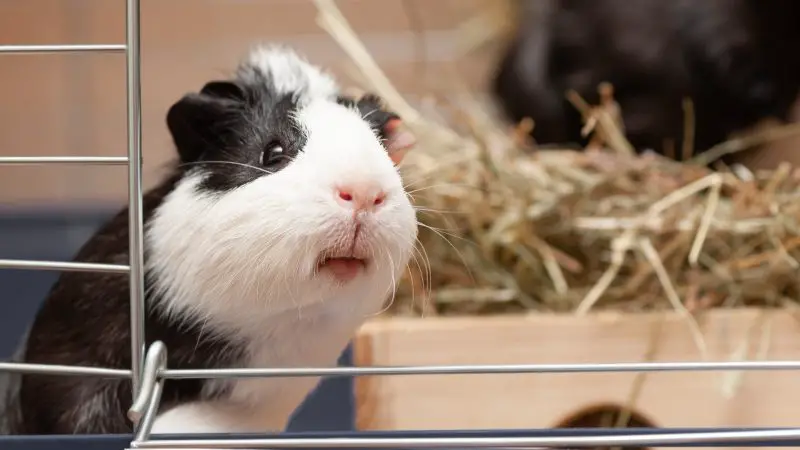
A pair needs at least 10.5 square feet of floor space — far bigger than most pet-store cages. Guinea pigs need room to run, not levels to climb. See our guide to the best guinea pig cages for the right setups (roomy C&C cages are the gold standard).
They need fresh food every day — and vitamin C
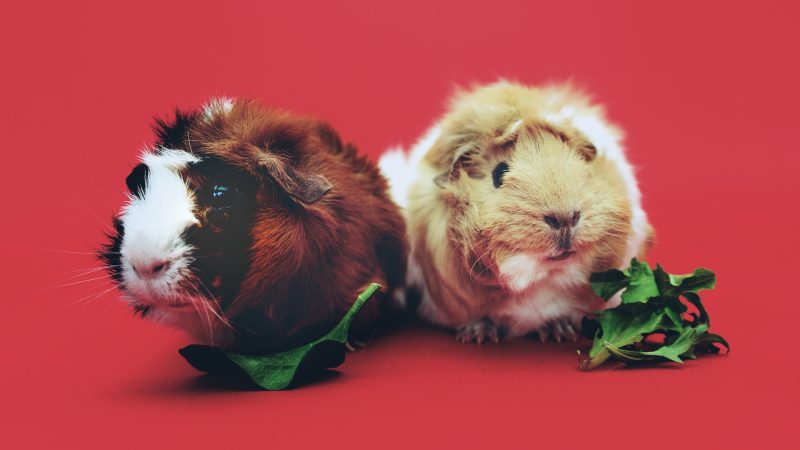
Unlike most animals, guinea pigs can’t make their own vitamin C, so they need it daily from fresh veg and quality pellets — without it they get seriously ill (scurvy). Their diet is roughly 80% grass hay (unlimited, always available), plus daily fresh vegetables and a measured portion of pellets. It’s simple, but it’s non-negotiable and every single day.
They’re not always “cuddle on demand”
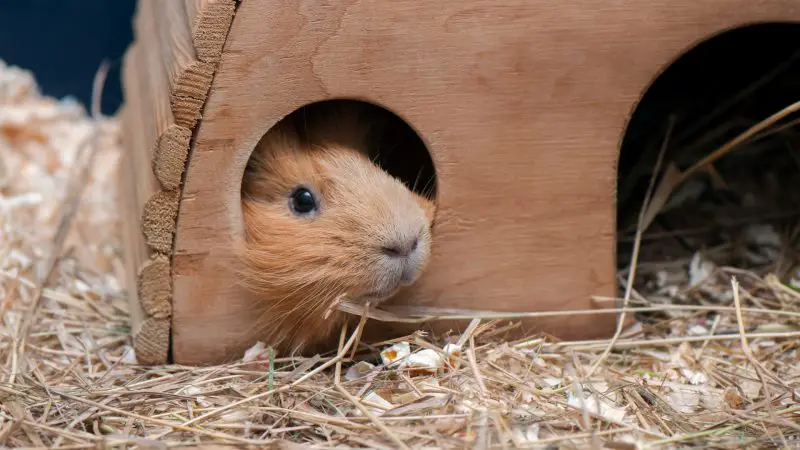
Guinea pigs love attention on their terms. They dislike being chased or grabbed, and a nervous pig may take weeks to settle. They’ll happily sit with you once they trust you — but if you want a pet that tolerates constant handling from a toddler, a guinea pig isn’t the right match.
Cleaning, costs, and a multi-year commitment
You’ll spot-clean daily and do a full bedding change weekly. Budget for ongoing hay, veg, and bedding, plus the occasional exotic-vet visit (not every vet treats guinea pigs, and exotic care can be pricey). And remember the 5–7 year lifespan — this is a commitment that outlasts a lot of childhood phases.
Are Guinea Pigs Good Pets for Kids?
Yes — guinea pigs are among the best pets for families with children, because they’re gentle and rarely bite. The important caveats: an adult should own the daily responsibility (feeding, cleaning, health checks), young children should only handle them sitting on the floor with supervision, and kids need to learn to be calm and quiet around them. With those rules, a guinea pig teaches children gentleness and responsibility beautifully.
Are Guinea Pigs Good Pets for Beginners?
They’re one of the best starter pets, full stop — friendly, forgiving, and with simple (if daily) needs. As long as you can provide a pair, a big cage, fresh food, and a few years of commitment, a first-time owner can absolutely give a guinea pig a happy home.
How Much Do Guinea Pigs Cost?
- Up front: a pair of guinea pigs plus a roomy cage, hideouts, water bottle, and bedding usually runs ~$150–$300+ (the cage is the biggest cost).
- Ongoing: roughly $30–$50 a month for hay, fresh veg, pellets, and bedding.
- Plus vet care: an exotic-vet check-up or illness can add unexpected costs — worth keeping a small buffer.
The Bottom Line
Guinea pigs are affectionate, entertaining, kid-friendly pets that reward you with years of companionship — as long as you can give them a partner, plenty of space, fresh food every day, and a clean home. If that fits your life, they’re one of the most charming small pets you can choose. If it doesn’t, it’s kinder to wait until it does.
Related Guinea Pig Guides
- How to Tame a Guinea Pig
- Best Guinea Pig Cages
- Best Hay for Guinea Pigs
- Best Bedding for Guinea Pigs
- Guinea Pig Temperature & Care
Frequently Asked Questions
Are guinea pigs good pets for children?
Yes — they’re among the best pets for families because they’re gentle and rarely bite. But an adult should own the daily care, and young children should only hold them sitting on the floor with calm, quiet supervision.
How long do guinea pigs live and how much do they cost?
With good care they live about 5–7 years. Expect roughly $150–$300+ up front (the cage is the biggest cost) and around $30–$50 a month for hay, fresh veg, pellets and bedding, plus occasional exotic-vet costs.
Do guinea pigs need a companion?
Yes. Guinea pigs are herd animals and become stressed and lonely kept alone, so always keep at least two — a same-sex pair or a neutered male with a female. In some countries keeping a single guinea pig is even illegal.